Is it time to replace your windows, or are you just noticing drafts, noise, or rising energy bills that feel hard to explain? Window replacements are often considered for comfort or appearance, but the decision usually affects much more than how a home looks from the street. From energy performance to daily comfort and long-term value, new windows can quietly change how a space feels and functions.
Why Homeowners Consider Window Replacements
Windows tend to show their age gradually. Small issues build over time, making it difficult to pinpoint when replacement becomes the smarter option than repair. Many people begin exploring window replacements after noticing changes that affect everyday living.
There are common reasons homeowners decide to replace windows.
- Persistent drafts or uneven indoor temperatures.
- Rising heating or cooling costs with no other obvious cause.
- Difficulty opening, closing, or locking windows.
- Condensation or fogging between glass panes.
- Noticeable outdoor noise entering the home.
- Faded flooring or furniture caused by excess sunlight.
While some of these issues can be addressed temporarily, replacing aging windows often provides a more lasting solution.
Understanding Window Frame Materials
Choosing the right frame material is one of the most important decisions in window replacements. Each option offers different benefits related to durability, maintenance, insulation, and cost.
Vinyl frames are popular because they are affordable, energy efficient, and require minimal upkeep. They resist moisture and do not need painting, making them a practical choice for many homes.
Wood frames offer classic appeal and strong insulation. They can be painted or stained to match interior design, but they typically require more maintenance to protect against moisture and wear.
Fiberglass frames are known for durability and stability. They expand and contract very little with temperature changes and often last longer than other materials.
Aluminum frames provide a sleek, modern look and are very strong. However, they are less insulating unless they include thermal breaks, which can affect energy efficiency.
Glass Options and Energy Performance
Modern window replacements often focus on the glass as much as the frame. Advances in glazing technology have made it possible to significantly improve insulation, reduce glare, and manage sunlight.
Several glass features are commonly available.
- Double or triple-pane construction to improve insulation.
- Low-emissivity coatings that reflect heat while allowing light through.
- Gas fills between panes to reduce heat transfer.
- Tinted or reflective glass to control glare and sun exposure.
- Impact-resistant glass for added durability and safety.
Choosing the right combination depends on climate, sun exposure, and comfort priorities within the home.
Window Styles and How They Affect Daily Use
The style of window selected can influence airflow, maintenance, and how spaces are used. Replacing windows offers an opportunity to reconsider whether existing styles still meet current needs.
Single-hung and double-hung windows are common and easy to clean, especially when sashes tilt inward. Casement and awning windows open outward, offering excellent ventilation and a tight seal when closed. Sliding windows work well in wide openings and are simple to operate. Picture windows do not open but provide unobstructed views and natural light.
Choosing styles thoughtfully can improve both comfort and functionality throughout the home.
Installation Quality Matters as Much as the Window
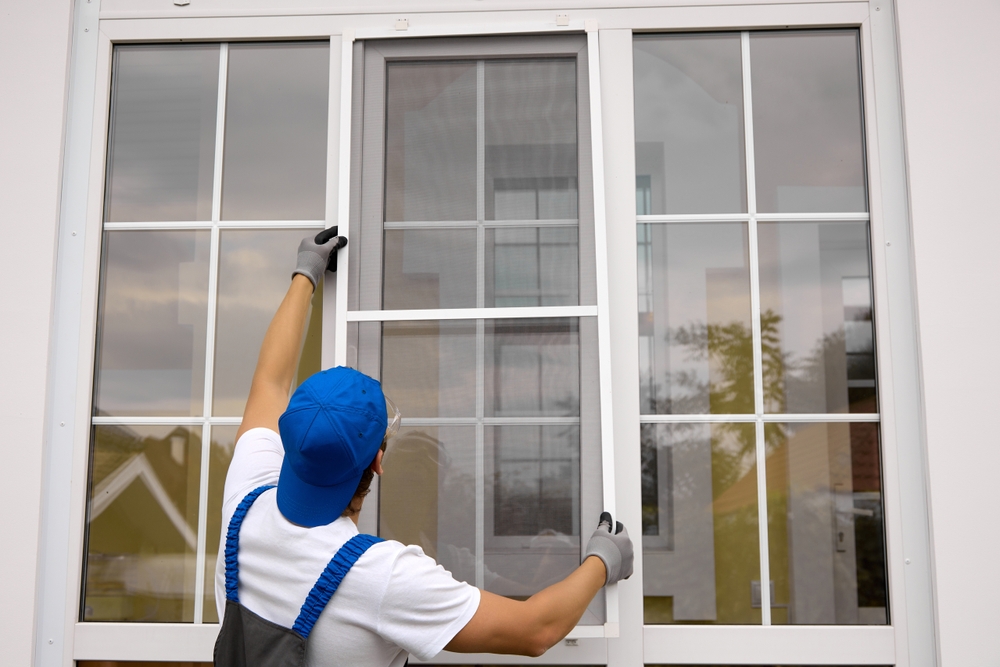
Even high-quality windows can underperform if they are not installed correctly. Proper installation ensures that windows seal tightly, drain water effectively, and operate smoothly.
A professional installation typically includes a few things.
- Accurate measurement of existing openings.
- Removal of old windows without damaging surrounding areas.
- Proper insulation and sealing around the frame.
- Alignment and testing to ensure smooth operation.
- Finishing details that protect against moisture intrusion.
Cutting corners during installation can lead to drafts, leaks, and reduced lifespan, making workmanship a critical part of the investment.
Cost Considerations and Long-Term Value
The cost of window replacements varies widely based on materials, glass options, window size, and installation complexity. While it can be tempting to focus only on upfront price, long-term value is often tied to performance and durability.
Higher-quality windows may cost more initially but can offer benefits over time.
- Lower energy bills due to improved insulation.
- Reduced maintenance and repair costs.
- Improved indoor comfort year-round.
- Increased resale appeal and perceived home value.
Balancing budget with performance goals helps ensure the upgrade delivers meaningful returns.
Preparing for a Window Replacement Project
Before starting a window replacement project, it helps to plan carefully. Understanding priorities and asking the right questions can prevent surprises during installation.
- Identifying the main reasons for replacing the windows.
- Deciding which rooms need upgrades first.
- Comparing materials and glass features based on lifestyle needs.
- Confirming timelines and warranty coverage.
- Planning for temporary disruption during installation.
Clear expectations make the process smoother and more satisfying.
When Window Replacements Make the Biggest Difference
Window replacements are especially impactful in homes with older, single-pane windows or frames showing visible wear. They can dramatically reduce drafts, noise, and temperature swings, making rooms more comfortable and usable. Even in newer homes, replacing builder-grade windows with higher-performing options can improve efficiency and overall enjoyment of the space.
Looking Through a Clearer, More Comfortable Future
Window replacements are more than a cosmetic upgrade. They shape how a home feels in every season, influence energy use, and contribute to long-term comfort and value. By choosing the right materials, glass features, and installation approach, homeowners can make an improvement that quietly pays off every day, one clear view at a time.