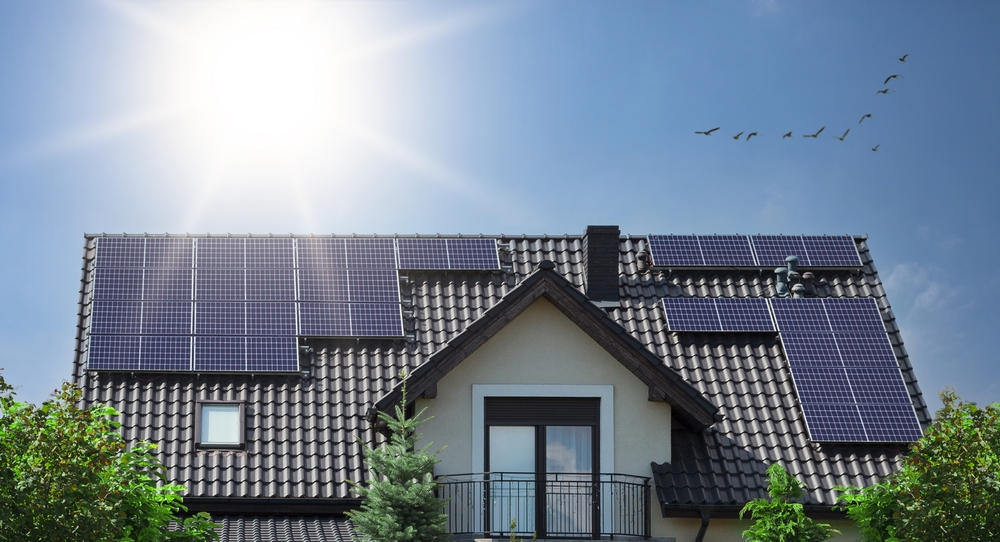
Have you ever wondered what it would feel like to produce your own electricity instead of relying entirely on the grid? Solar energy has moved from a niche idea to a practical option for everyday households, driven by rising energy costs, improved technology, and growing awareness of long-term savings. Understanding how solar works and what it offers can help clarify whether it fits into modern lifestyles and financial goals.
What Solar Energy Is and How It Works
Solar energy is created by capturing sunlight and converting it into usable electricity. Panels installed on rooftops or open land contain photovoltaic cells that generate direct current electricity when exposed to light. An inverter then converts that electricity into the alternating current used by most homes.
This process happens quietly and continuously during daylight hours. Excess energy can be stored in batteries or sent back to the grid, depending on system setup. Over time, this steady production can significantly reduce reliance on traditional energy sources.
Why Solar Energy Has Become More Accessible
Advances in technology and broader availability have made solar energy far more approachable than it once was. Systems are more efficient, installation is streamlined, and flexible financing has lowered the barrier to entry.
Several factors have contributed to this shift.
- Solar panels now produce more power using less space.
- Installation processes are faster and less disruptive.
- Financing options allow homeowners to spread costs over time.
- Increased competition has helped stabilize pricing.
Together, these changes have transformed solar from a luxury upgrade into a realistic consideration for many households.
Environmental Benefits Beyond Lower Emissions
Solar energy is often associated with reducing emissions, but its environmental impact extends further. By generating electricity at the point of use, solar reduces strain on centralized power plants and transmission infrastructure.
There are certain additional environmental benefits.
- Reduced air pollution compared to fossil fuel-based power generation.
- Lower water usage than many conventional energy sources.
- Decreased reliance on finite natural resources.
These advantages make solar energy part of a broader shift toward cleaner, more sustainable living without requiring daily behavior changes.
Financial Considerations for Homeowners
One of the most common questions around solar energy is whether it makes financial sense. While upfront costs exist, long-term savings often balance or exceed the initial investment.
There are key financial aspects to consider.
- Monthly electricity bills may decrease significantly over time.
- Some systems can increase overall property value.
- Protection from future utility rate increases adds predictability.
- Incentives and credits can reduce initial expenses.
Evaluating solar as a long-term asset rather than a short-term expense helps frame its financial impact more clearly.
Solar Energy and Energy Independence
Producing electricity at home can change the relationship people have with energy. Solar systems paired with battery storage can provide power during outages and reduce dependence on external suppliers.
This sense of energy independence can be especially valuable in areas prone to service disruptions or fluctuating utility costs. Even without full battery backup, solar can offset daytime energy use, creating a more balanced and resilient household energy profile.
Common Myths About Solar Energy
Despite growing adoption, misconceptions about solar energy still exist. Addressing these myths can help set realistic expectations.
There are some common misunderstandings to be aware of.
- Solar panels do not require constant direct sunlight to function.
- Modern systems are designed to withstand harsh weather conditions.
- Maintenance needs are generally minimal.
- Panels do not instantly stop working when clouds appear.
Understanding the realities behind these points helps homeowners make decisions based on facts rather than outdated assumptions.
The Role of Solar in Modern Communities
As more homes adopt solar energy, the collective impact becomes more noticeable. Distributed energy generation can reduce pressure on shared infrastructure and contribute to more stable energy systems overall.
Communities with higher solar adoption often see broader benefits.
- Reduced peak demand on local grids.
- Increased awareness of energy usage patterns.
- Greater resilience during extreme weather events.
These collective effects highlight how individual choices can scale into meaningful community-level improvements.
Is Solar Energy the Right Fit for Every Home?
Solar energy is not a universal solution, and suitability depends on factors such as roof orientation, shading, and local regulations. A careful evaluation of physical conditions and energy usage patterns is essential before moving forward.
That said, even homes that cannot support rooftop panels may still participate through shared or community-based solar options. Exploring all available paths ensures that interest in solar does not end with physical limitations.
Where Solar Energy Is Headed Next
The future of solar energy continues to evolve. Improvements in battery storage, smarter energy management systems, and more efficient panels are shaping what comes next.
As these innovations mature, solar is expected to integrate more seamlessly into everyday life, blending with home design and digital energy tools. This ongoing evolution suggests that solar energy will remain a central part of how households think about power.
Living With the Sun as a Long-Term Power Partner
Solar energy represents more than a utility upgrade. It reflects a shift toward control, predictability, and thoughtful resource use. By understanding how solar works, what it offers financially, and how it fits into broader environmental goals, homeowners can decide whether sunlight is the right partner for powering their daily lives.