What kind of floor will actually hold up to your daily life while still making your space feel like home? Flooring is one of the most visible and heavily used features in any house, shaping both how a room looks and how it functions. With so many materials, textures, and price points available, the decision can feel overwhelming. Taking time to understand your needs, lifestyle, and priorities can make choosing the right flooring a confident, long-term investment.
Start With How Each Room Is Used
The best flooring choice often depends on what happens in a space day after day. High-traffic areas, moisture exposure, and comfort expectations should all factor into your decision. A busy entryway has very different needs than a quiet bedroom or a formal dining area.
Different rooms tend to benefit from different flooring characteristics.
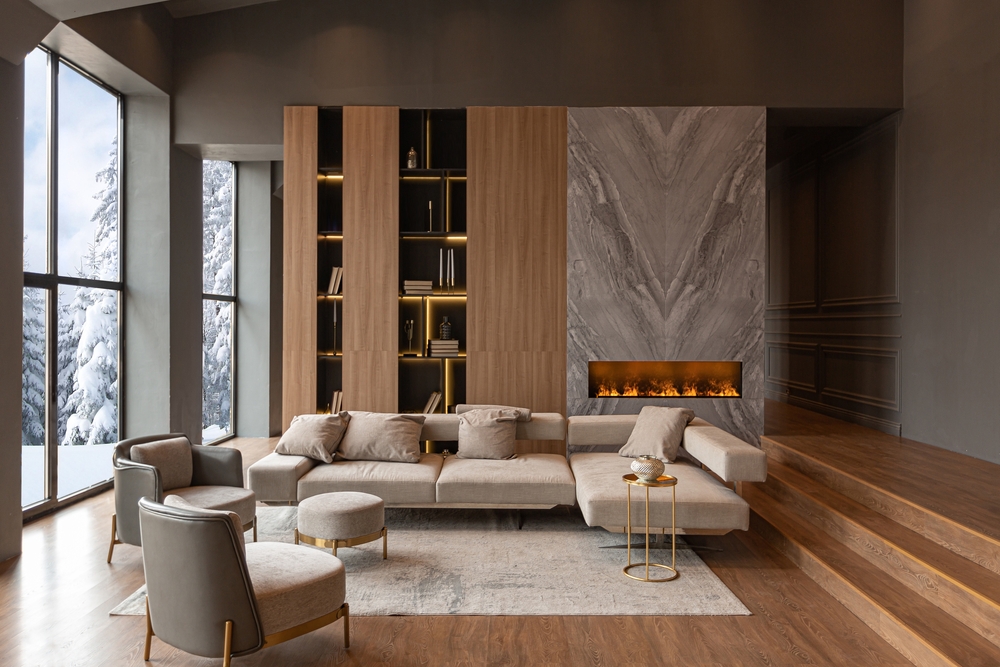
- Living rooms often benefit from flooring that balances durability with comfort and visual appeal.
- Kitchens require surfaces that can handle spills, foot traffic, and frequent cleaning.
- Bathrooms need moisture-resistant materials that can withstand humidity.
- Bedrooms prioritize warmth, softness, and sound absorption.
Matching flooring to function helps prevent premature wear and reduces the need for costly replacements.
Understanding Popular Flooring Materials
Each flooring material comes with its own strengths and limitations. Knowing what sets them apart can help narrow your options before visiting showrooms or ordering samples.
Hardwood Flooring
Hardwood remains a classic choice due to its natural beauty and long lifespan. It adds warmth and can increase perceived value in a home, but it requires thoughtful maintenance.
- Offers timeless appearance and character.
- Can be refinished multiple times over its lifespan.
- Sensitive to moisture and temperature changes.
- Typically higher upfront cost.
Laminate Flooring
Laminate is designed to mimic the look of wood or stone at a more accessible price point. It is known for durability and ease of installation.
- Resistant to scratches and everyday wear.
- Lower cost than natural hardwood.
- Limited ability to refinish.
- Can feel less authentic underfoot.
Vinyl Flooring
Modern vinyl has evolved significantly and is now available in highly realistic designs. It is especially popular in areas prone to moisture.
- Excellent water resistance.
- Comfortable and quieter underfoot.
- Available in plank, tile, and sheet formats.
- May not add long-term value in the same way as natural materials.
Tile Flooring
Tile works well in areas where durability and moisture resistance are essential. It offers design flexibility but can feel hard and cool.
- Extremely durable and long-lasting.
- Ideal for kitchens, bathrooms, and laundry rooms.
- Easy to clean and maintain.
- Can be cold and unforgiving without rugs or underlayment.
Carpet Flooring
Carpet remains a favorite for bedrooms and living spaces where comfort matters most. It provides warmth and sound insulation but requires regular care.
- Soft and comfortable underfoot.
- Helps reduce noise between rooms.
- Stains more easily than hard surfaces.
- Shorter lifespan in high-traffic areas.
Lifestyle Factors That Matter
Flooring should support the way you actually live, not just how you want your home to look in photos. Pets, children, and daily routines all influence which materials will perform best over time.
There are some practical lifestyle considerations when looking at flooring.
- Homes with pets benefit from scratch-resistant and easy-to-clean surfaces.
- Families with young children may prioritize softer, slip-resistant options.
- Allergy-sensitive households often prefer hard flooring over carpet.
- Busy schedules favor low-maintenance materials.
Being honest about your household habits can prevent frustration later.
Maintenance and Long-Term Care
Every flooring type requires some level of upkeep. Understanding what maintenance looks like on a weekly and yearly basis can help you choose a material that fits your tolerance for care.
Maintenance expectations vary widely by material.
- Hardwood requires regular sweeping and occasional refinishing.
- Tile needs grout cleaning and sealing over time.
- Vinyl and laminate typically need simple sweeping and mopping.
- Carpet benefits from frequent vacuuming and periodic deep cleaning.
Choosing flooring that aligns with your maintenance preferences can extend its lifespan and preserve its appearance.
Budget Beyond the Price Tag
Flooring costs go beyond the sticker price per square foot. Installation, underlayment, repairs, and future replacement should all be part of the financial picture.
There are cost-related factors to keep in mind.
- Professional installation versus DIY options.
- Subfloor preparation or repairs.
- Long-term durability and replacement frequency.
- Impact on heating, cooling, and comfort.
Sometimes a higher upfront cost can result in better value over time.
Style and Cohesion Throughout the Home
While each room can have different flooring, maintaining visual flow helps a home feel cohesive. Color, texture, and plank or tile size all influence how spaces connect.
When thinking about style, consider these points.
- Neutral tones offer flexibility with changing decor.
- Consistent flooring in open layouts creates visual continuity.
- Mixing materials works best when transitions feel intentional.
- Natural textures add depth without overwhelming a space.
Balancing personal taste with timeless design can keep flooring from feeling dated too quickly.
Making a Decision You Can Live With
Flooring is something you walk on every day, making comfort and practicality just as important as appearance. Samples, in-home visualizers, and expert advice can help you feel confident before committing.
Taking time to weigh function, maintenance, lifestyle, and budget creates a decision that supports both daily living and long-term satisfaction.
A Foundation That Supports Everyday Living
Choosing the right flooring is about more than surface-level style. It is about creating a foundation that supports how your home feels, functions, and evolves over time. When your flooring aligns with your lifestyle and priorities, it quietly enhances every room, making daily life easier and more comfortable without demanding constant attention.