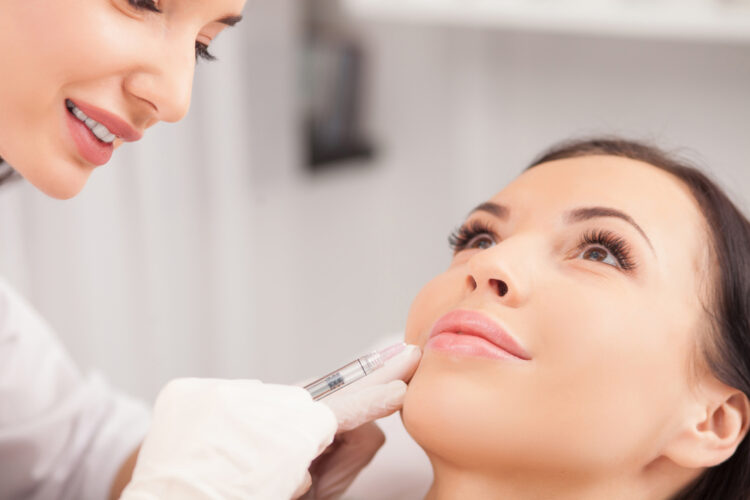
Have you ever wondered if Botox is just a cosmetic treatment for wrinkles, or if it has other benefits? Over the years, Botox has evolved beyond its well-known use for smoothing out fine lines and wrinkles. With its ability to treat a wide range of medical conditions, Botox has become a versatile solution that can improve both appearance and overall health.
What is Botox?
Botox, short for Botulinum toxin, is a neurotoxic protein derived from the bacterium Clostridium botulinum. Although it is known for its cosmetic use, Botox has a wide range of applications, both medical and aesthetic. When injected in small doses, Botox blocks the nerve signals that cause muscles to contract. This temporary paralysis allows for smoother, wrinkle-free skin and can also alleviate muscle-related health issues.
The treatment has become a go-to solution for reducing the appearance of fine lines and wrinkles, but its benefits extend far beyond cosmetics. Botox’s ability to target specific muscles makes it effective in treating a variety of medical conditions, improving quality of life in many ways.
The Benefits of Botox
- Cosmetic Enhancement
- Wrinkle Reduction: Botox is widely known for its ability to reduce the appearance of fine lines and wrinkles, particularly on the forehead, around the eyes (crow’s feet), and between the eyebrows (glabellar lines).
- Facial Contouring: It can also be used to create a more youthful and relaxed appearance by contouring facial features such as the jawline and neck.
- Medical Applications
- Chronic Migraine Relief: Botox is FDA-approved for the treatment of chronic migraines, helping to reduce the frequency and severity of headache episodes.
- Hyperhidrosis (Excessive Sweating): It effectively manages excessive sweating by blocking the nerves that trigger sweat glands.
- Muscle Spasms and Stiffness: Conditions like cervical dystonia (neck spasms) and spasticity due to cerebral palsy or multiple sclerosis can be managed with Botox injections.
- Bladder Dysfunction: It is also used to treat overactive bladder and urinary incontinence in adults.
- Pain Management
- Botox can provide relief for various types of pain, including temporomandibular joint disorder (TMJ) and certain neuropathic pain conditions.
Different Types of Botox
While “Botox” is often used as a blanket term, there are different brands and formulations available.
- Botox Cosmetic
- This is the most commonly known type and is specifically formulated for cosmetic use, helping to smooth out wrinkles and fine lines.
- Botox Therapeutic
- Used for medical treatments, this formulation addresses a range of conditions from migraines to muscle spasms.
- Dysport
- Another botulinum toxin type A product, Dysport is similar to Botox but spreads more easily, making it a preferred option for larger treatment areas.
- Xeomin
- Xeomin is unique in that it doesn’t contain any additives, which means there’s less risk of developing antibodies that might reduce its effectiveness over time.
- Jeuveau
- The newest addition to the botulinum toxin family, Jeuveau is marketed primarily for cosmetic purposes, similar to Botox Cosmetic.
What to Expect from Botox Treatment
Before opting for Botox, it’s essential to consult with a qualified healthcare provider to discuss your goals and medical history.
- Consultation: Your provider will evaluate your needs and determine the best type and amount of Botox for you.
- Procedure: Botox injections are relatively quick and minimally invasive. They involve a series of small injections into the targeted muscles or areas.
- Recovery: Downtime is minimal, and you can typically resume normal activities shortly after the procedure.
- Results: The effects of Botox can be seen within a few days to a week, with results lasting three to six months depending on the treatment area and individual factors.
Are You Ready for the Benefits of Botox?
Botox offers a multitude of benefits, from enhancing your appearance to alleviating various medical conditions. By understanding the different types of Botox and their applications, you can make an informed decision about whether this treatment is right for you. Don’t forget to consult with a healthcare professional to explore how it can help you achieve your goals and improve your quality of life.