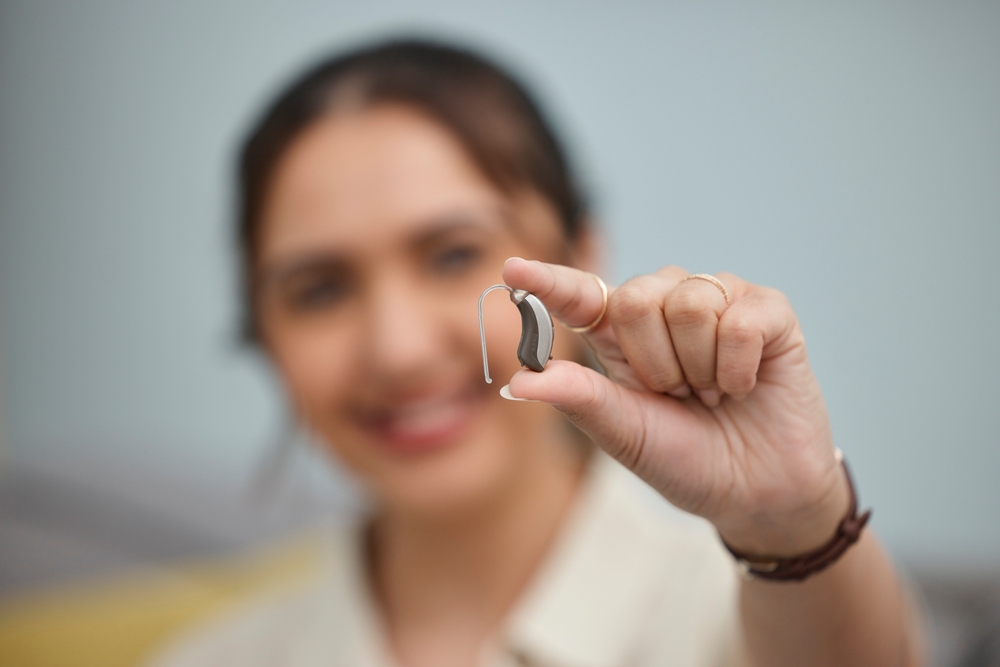
Have you been putting off hearing aids because of cost, uncertainty, or fear of choosing the wrong option? Hearing challenges often develop gradually, making it easy to adapt without realizing how much clarity has been lost. Clinical trials focused on hearing aids offer a different way to approach this decision—one that combines access, education, and hands-on experience without the usual pressure to purchase.
Hearing aid clinical trials are research studies designed to test new devices, technologies, or fitting approaches. Participants use hearing aids under real-world conditions while researchers gather data on comfort, performance, and outcomes. For many people, this process provides valuable insight into both their hearing needs and the latest solutions available.
Access To New Hearing Technology Before It Reaches The Market
One of the most compelling reasons to consider a clinical trial is early access to innovation. Many trials focus on devices that incorporate advances in sound processing, noise reduction, or connectivity that are not yet widely available.
These studies may explore features such as adaptive speech enhancement, improved performance in group settings, or more natural sound profiles. For participants, this can mean experiencing cutting-edge technology without waiting years for commercial release.
Reduced Or No Cost Participation
Hearing aids can be expensive, especially when bundled with exams, fittings, and follow-up care. Clinical trials often remove or significantly reduce these financial barriers.
Common Cost-Related Benefits
- Hearing evaluations performed as part of the study.
- Trial hearing aids provided at no charge for the duration of participation.
- Follow-up visits and adjustments included in the study design.
- Compensation or stipends in some research programs.
While not every study offers payment, many are structured to minimize out-of-pocket expenses, making them appealing for those hesitant to invest upfront.
Professional Monitoring And Ongoing Support
Clinical trials are typically overseen by audiologists, hearing specialists, or research clinicians who closely monitor participant progress. This level of attention can exceed what many people receive during a standard retail hearing aid fitting.
Participants often benefit from a few things.
- Detailed baseline hearing assessments.
- Regular check-ins to adjust settings and address comfort.
- Clear explanations of how different features affect daily listening.
- Objective testing to measure improvement over time.
This structured support can help participants better understand their hearing patterns and what works best for them.
A Low-Pressure Way To Try Hearing Aids
For individuals who feel unsure about committing to hearing aids, a clinical trial can feel less intimidating. There is no sales environment, no brand loyalty expectations, and no long-term purchase obligation.
Because the focus is research rather than retail, participants are encouraged to give honest feedback about what they like and dislike. This experience can build confidence and reduce anxiety about future hearing care decisions.
Contributing To Better Hearing Solutions For Others
Participating in a clinical trial is not only a personal opportunity but also a way to support broader progress in hearing health. Data collected from real users helps refine device design, improve fitting strategies, and identify unmet needs.
What You Participation Helps
- More comfortable hearing aid designs.
- Better performance in noisy or social environments.
- Improved usability for first-time users.
- Clearer guidance for future patients and providers.
For many participants, this sense of contribution adds meaning to the experience.
Who May Be A Good Candidate For A Hearing Aid Clinical Trial
Not every study is right for every person, but many trials seek a wide range of participants. Eligibility often depends on hearing profile, age range, and prior hearing aid use.
You may be a good fit in certain ways.
- You have mild to moderate hearing loss and have not yet tried hearing aids.
- You currently use hearing aids but are curious about newer technology.
- You are comfortable following study guidelines and attending scheduled visits.
- You want a structured, educational approach to hearing care.
Each study has specific inclusion criteria, so screening is an important first step.
What To Expect During Participation
While every clinical trial is different, most follow a similar structure. After an initial screening, participants are fitted with study devices and asked to use them in daily life over a set period.
Typical Elements
- An intake appointment and hearing evaluation.
- Device fitting and orientation.
- Regular follow-up visits or check-ins.
- Questionnaires or listening tests.
- A defined study end date, after which devices are returned or discussed.
Understanding the time commitment upfront helps ensure a positive experience.
Hearing Clarity Without Guesswork
Considering a hearing aid clinical trial can shift the experience from uncertainty to informed exploration. Instead of guessing which device might work, participants gain real-world insight, professional support, and exposure to emerging technology. For anyone curious about hearing aids but hesitant to take the first step, a clinical trial offers a thoughtful, measured way to listen more clearly and decide with confidence.