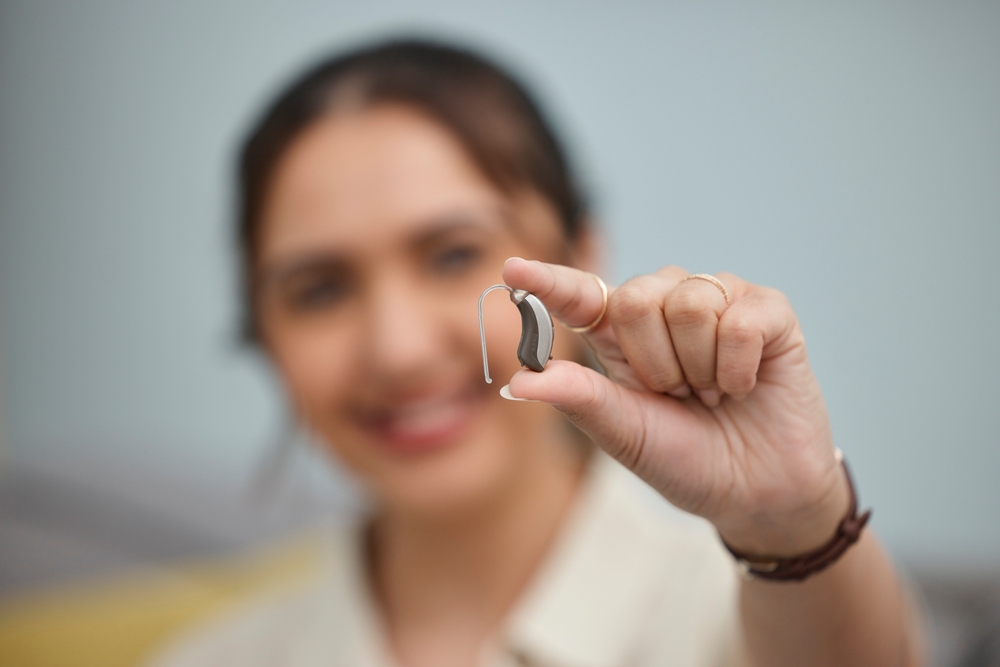
Is it harder than it used to be to follow conversations, even in familiar places? Hearing changes often arrive gradually, making them easy to dismiss until everyday moments—family dinners, meetings, phone calls—start to feel tiring or isolating. Hearing aids are no longer bulky, one-size-fits-all devices. Today’s options are designed to blend into daily life, adapt to different environments, and support not just hearing, but confidence and connection as well.
Hearing loss can affect people in very different ways. Some notice trouble hearing higher-pitched sounds, while others struggle most in noisy spaces. Modern hearing aids are built around this reality, offering personalized sound profiles that adjust to the user rather than forcing the user to adapt to the device. This shift has changed how people experience hearing support, making it feel more natural and less clinical.
How Modern Hearing Aids Work
Today’s hearing aids use advanced digital processing to analyze sound in real time. Instead of simply making everything louder, they prioritize clarity, separating speech from background noise and adjusting automatically as surroundings change. Many models learn over time, fine-tuning settings based on how and where they are used.
Several technical improvements have reshaped how hearing aids perform in everyday settings.
- Directional microphones that focus on speech coming from specific directions.
- Noise reduction technology that softens background sounds without muting important cues.
- Feedback suppression that reduces whistling and distortion.
- Automatic environment detection that adjusts settings when moving between quiet and noisy spaces.
These features work together to reduce listening fatigue, making conversations feel easier and more natural throughout the day.
Styles Designed for Different Preferences
Hearing aids now come in a range of styles, each designed to suit different levels of hearing loss, comfort needs, and lifestyle preferences. Choosing the right style is often as much about daily habits as it is about hearing ability.
Several common styles are available, each offering a different balance of visibility, power, and convenience.
- Behind-the-ear models that rest comfortably behind the ear and suit a wide range of hearing needs.
- Receiver-in-canal options that offer a smaller profile while maintaining strong sound quality.
- In-the-ear designs that fit directly into the outer ear for easy handling.
- Completely-in-canal models that sit deeper in the ear and are nearly invisible.
Each style offers its own balance of discretion, power, and ease of use, making it possible to find an option that feels comfortable both physically and socially.
Connectivity and Everyday Convenience
One of the biggest changes in hearing aids is how seamlessly they integrate with other technology. Many devices now connect wirelessly to phones, tablets, and televisions, turning hearing aids into multifunctional tools rather than standalone medical devices.
This type of connectivity can make everyday use feel more intuitive and less disruptive.
- Direct streaming of calls, music, and media.
- App-based controls for adjusting volume and sound profiles.
- Remote support and fine-tuning without in-person visits.
- Automatic updates that improve performance over time.
This level of integration gives users more control and reduces the need for constant manual adjustments, helping hearing aids fit more naturally into modern routines.
Adjusting to Hearing Aids Takes Time
Even with advanced technology, adjusting to hearing aids is a process. The brain needs time to relearn sounds that may have been missing or muted for years. Many people notice that everyday noises seem unusually sharp at first, but this sensation typically fades as the brain adapts.
Certain habits can make the adjustment period feel smoother and more manageable.
- Wearing hearing aids for short periods at first, then gradually increasing use.
- Practicing listening in different environments, from quiet rooms to busy spaces.
- Attending follow-up appointments for fine-tuning and feedback.
Patience during this phase can make a meaningful difference in long-term comfort and satisfaction.
Cost, Coverage, and Value
Hearing aids represent an investment, and costs can vary widely depending on features, technology level, and service models. Some providers bundle ongoing care, adjustments, and warranties into the price, while others separate device cost from professional services.
When evaluating value, it helps to look beyond the initial price and consider long-term support, device lifespan, and daily impact on quality of life. Clear communication with hearing care professionals can help align expectations and avoid surprises.
Hearing Support as Part of Overall Well-Being
Hearing affects more than just sound perception. It plays a role in social connection, emotional health, and mental engagement. Many people report feeling more present and less fatigued once hearing challenges are addressed. Conversations feel easier, social settings become less stressful, and everyday interactions regain their rhythm.
Addressing hearing loss early can help maintain these connections and reduce the tendency to withdraw from activities that once felt enjoyable or effortless.
When Clearer Sound Becomes a Daily Advantage
Hearing aids are no longer about simply correcting a problem; they are about enhancing daily life. With thoughtful design, adaptive technology, and growing accessibility, they support clearer communication and renewed confidence in everyday moments. For many, the decision to use hearing aids marks a shift toward greater ease, presence, and connection—one conversation at a time.