Are you looking for a clearer, less stressful way to understand how your blood sugar changes? Glucose monitors have transformed how individuals track and manage blood sugar. From traditional testing methods to advanced continuous systems, modern glucose monitoring tools help people make informed decisions about nutrition, activity, and treatment while reducing uncertainty and improving long-term health awareness.
What Glucose Monitors Are And Why They Matter
Glucose monitors measure the amount of glucose present in the blood, providing critical insight into how the body processes food, activity, stress, and medication. Accurate monitoring supports early detection of irregular patterns and helps guide treatment decisions.
Core Reasons Glucose Monitors are Important
- Identifying blood sugar highs and lows
- Understanding how meals affect glucose levels
- Supporting medication and insulin adjustments
- Reducing the risk of long-term complications
- Providing objective data for healthcare decisions
Modern monitoring tools focus on convenience, accuracy, and actionable insight rather than occasional spot checks alone.
Types Of Glucose Monitors Available Today
Several types of glucose monitoring systems are available, each designed to meet different needs, comfort levels, and monitoring goals.
Common Types
- Traditional fingerstick glucose meters
- Continuous glucose monitoring (CGM) systems
- Flash glucose monitoring devices
- Laboratory-based glucose testing
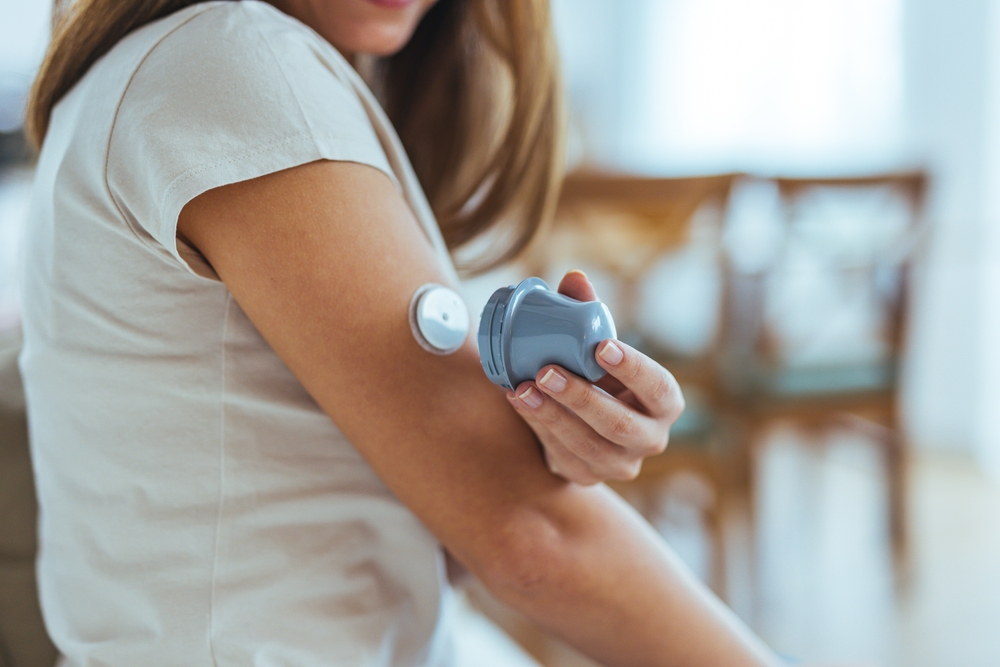
Traditional meters require small blood samples, while CGMs and flash systems measure glucose through a sensor placed just under the skin, offering frequent or continuous readings.
How Continuous Glucose Monitoring Works
Continuous glucose monitors track glucose levels throughout the day and night by measuring interstitial fluid rather than direct blood samples. These systems provide trends and patterns rather than isolated readings.
Key Features of CGM Systems
- Sensors worn for several days or weeks
- Automatic readings taken at regular intervals
- Trend arrows showing rising or falling glucose
- Optional alerts for high or low levels
This approach helps users identify patterns that may be missed with occasional testing, such as overnight fluctuations or delayed food responses.
Who Can Benefit From Using A Glucose Monitor
Glucose monitors are not limited to one specific group and may benefit a wide range of individuals based on health needs and goals.
People Who Often Benefit
- Individuals managing diabetes
- Those monitoring blood sugar due to metabolic concerns
- People adjusting medications that affect glucose
- Individuals seeking better insight into nutrition responses
Monitoring provides feedback that can support proactive adjustments rather than reactive responses after symptoms appear.
Accuracy, Calibration, And Reliability
Accuracy is one of the most important aspects of any glucose monitoring system. While modern devices are highly reliable, understanding how accuracy works helps set realistic expectations.
Important Accuracy Considerations
- Some systems require periodic calibration
- Readings may lag slightly behind blood glucose changes
- Hydration, temperature, and sensor placement can affect results
- Confirmatory fingerstick checks may be recommended in certain situations
Most modern glucose monitors meet strict accuracy standards and are designed to support consistent, dependable tracking.
Cost, Coverage, And Accessibility Considerations
The cost of glucose monitoring varies depending on the type of system used and how frequently sensors or supplies must be replaced. Long-term affordability is an important factor when choosing a device.
Common Cost-Related Considerations
- Initial device or reader costs
- Ongoing sensor or strip replacement
- Prescription requirements for advanced systems
- Potential coverage through health plans
Evaluating both upfront and ongoing costs helps ensure sustainable use without interruptions.
Integrating Glucose Monitoring Into Daily Life
The true value of glucose monitoring comes from how the data is used in everyday decision-making. Modern systems are designed to fit into daily routines with minimal disruption.
Practical integration often includes a few key things.
- Reviewing trends rather than single readings
- Pairing data with meals, activity, and sleep
- Sharing reports with healthcare providers
- Adjusting habits based on consistent patterns
Over time, this data-driven approach helps reduce uncertainty and supports more confident health management.
Turning Data Into Better Daily Decisions
Glucose monitors provide more than numbers—they offer insight into how the body responds in real time. By revealing patterns that were once hidden, these tools empower individuals to make informed choices about food, movement, and care strategies. With consistent use and proper understanding, glucose monitoring becomes a practical companion for building awareness, stability, and long-term metabolic health.