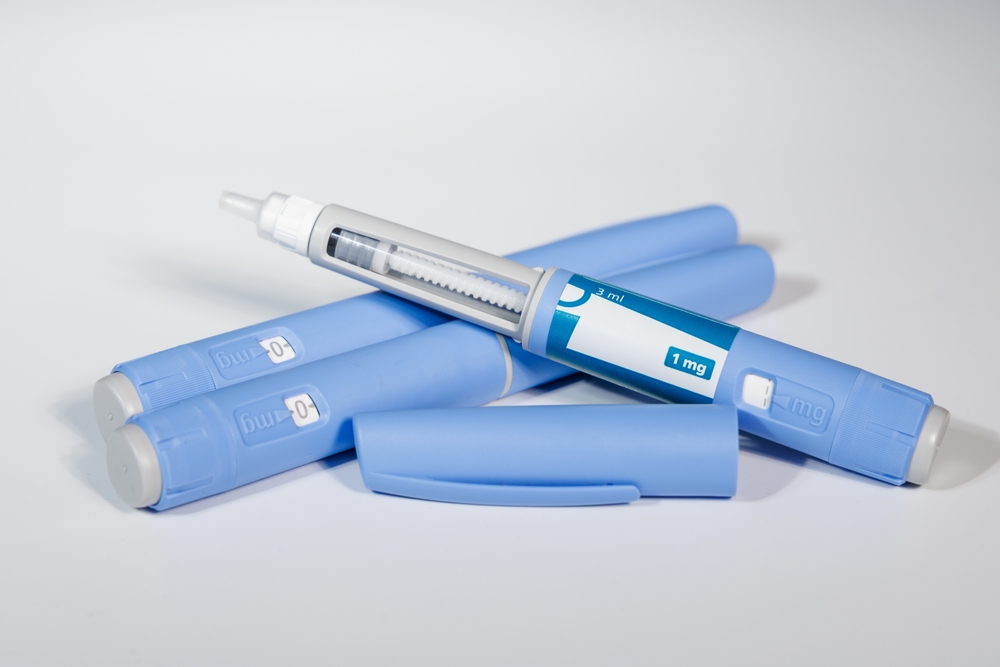
Are you exploring new medical options that support weight management and blood sugar control? GLP-1 medications have rapidly become a widely discussed option for individuals seeking clinically supported weight-loss and metabolic improvements. These prescription therapies work by mimicking natural hormones that regulate appetite and insulin response. When used appropriately under medical supervision, GLP-1 treatments can support sustainable health outcomes rather than short-term fixes.
What GLP-1 Medications Are And How They Work
GLP-1 medications are designed to replicate the action of glucagon-like peptide-1, a hormone that plays a role in appetite regulation, digestion, and insulin release. By enhancing these natural processes, the medication helps control hunger and stabilize blood sugar levels.
Core Mechanisms
- Slowing gastric emptying to increase feelings of fullness
- Reducing appetite signals in the brain
- Supporting insulin release when blood sugar rises
- Decreasing glucose production by the liver
Semaglutide medication is one of the most widely prescribed GLP-1 options due to its effectiveness and dosing convenience.
Who May Be A Good Candidate For GLP-1 Therapy
GLP-1 medications are typically prescribed to individuals who meet specific clinical criteria. A healthcare provider evaluates medical history, current conditions, and treatment goals before prescribing.
Common Candidate Profiles
- Individuals with obesity or excess weight affecting health
- Patients managing blood sugar conditions
- Those who have not achieved results through lifestyle changes alone
- Individuals seeking physician-supervised weight-loss options
GLP-1 therapy is not intended for cosmetic weight loss and should always be used as part of a comprehensive care plan.
Semaglutide And Other GLP-1 Options Explained
Semaglutide is a prescription GLP-1 medication commonly used for both metabolic health and weight management. It is available in different formulations depending on treatment goals and medical guidance.
Key Characteristics of Semaglutide
- Weekly dosing schedules in most treatment plans
- Gradual dose increases to minimize side effects
- Documented effectiveness in appetite reduction
- Long-term treatment design rather than short courses
Some patients seek semaglutide online through licensed telehealth providers, allowing access to consultations and prescriptions without in-person visits.
How GLP-1 Medications Are Administered
Most GLP-1 treatments are delivered through injections, although some oral formulations exist. Semaglutide shots are typically administered once weekly using a prefilled injection pen.
Administration Considerations
- Subcutaneous injection in the abdomen, thigh, or upper arm
- Simple self-administration after provider instruction
- Consistent weekly scheduling
- Ongoing monitoring during dose adjustments
Many patients find that semaglutide shots become part of a manageable weekly routine after initial instruction.
Accessing GLP-1 Treatment Safely
Access to GLP-1 medications requires a prescription and medical evaluation. Reputable providers focus on safety, education, and long-term success rather than rapid results.
Safe Access Pathways
- In-person medical evaluations
- Virtual consultations through licensed providers
- Ongoing follow-ups to monitor progress
- Adjustments based on tolerance and results
Patients searching online to get Ozempic or similar medications should ensure prescriptions come from legitimate healthcare professionals rather than unverified sources.
Benefits And Potential Side Effects To Understand
GLP-1 medications offer meaningful benefits, but they also carry potential side effects that should be discussed before starting treatment.
Common Benefits
- Reduced appetite and portion sizes
- Improved blood sugar stability
- Gradual, sustained weight loss
- Support for long-term behavioral changes
Potential Side Effects
- Nausea or digestive discomfort during dose escalation
- Temporary fatigue
- Changes in bowel habits
Most side effects lessen over time as the body adjusts, especially when dosing is increased gradually.
The Role Of Lifestyle And Medical Oversight
GLP-1 medications are most effective when combined with lifestyle adjustments and ongoing medical supervision. These treatments are not substitutes for nutrition, movement, or behavioral changes.
Successful treatment plans often include a few key things.
- Nutritional guidance aligned with appetite changes
- Gradual increases in physical activity
- Regular progress check-ins with providers
- Adjustments based on results and tolerance
Medical oversight ensures safety, sustainability, and realistic expectations throughout treatment.
A New Path Toward Medically Guided Weight Management
GLP-1 medications represent a shift toward evidence-based, hormone-supported approaches to weight and metabolic health. By addressing appetite regulation at a biological level, treatments like semaglutide offer an option grounded in clinical science rather than quick fixes. With proper guidance, monitoring, and commitment, GLP-1 therapy can support meaningful, long-term health improvements for individuals seeking a structured medical solution.