As the cost of living continues to rise, many older adults in the United States are finding it increasingly difficult to keep up with basic needs like housing, groceries, and utilities. Fixed incomes, medical expenses, and mobility challenges can make everyday necessities harder to afford and access. Thankfully, a wide range of senior-focused programs exist to provide reliable support—ensuring that older Americans stay nourished, housed, and connected to essential services.
Why Senior Support Programs Matter
More than 10 million seniors in the US experience food insecurity or struggle with housing costs. Many face the same challenges.
- Living on Social Security or limited retirement income
- Chronic health conditions
- Reduced mobility
- Limited access to transportation
- High medication or medical care expenses
Food and housing support programs play a crucial role in helping older adults maintain independence, age safely at home, and preserve their financial stability.
Senior Food Assistance Programs
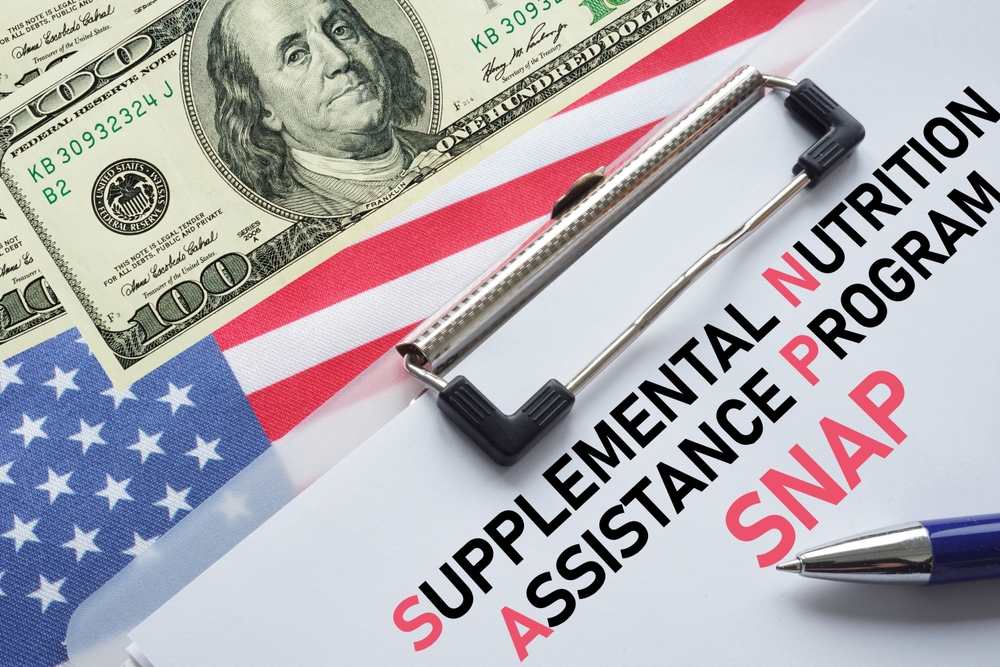
1. SNAP for Seniors (Supplemental Nutrition Assistance Program)
SNAP provides monthly funds on an EBT card that seniors can use to purchase groceries. Unlike traditional income guidelines, seniors may qualify even with modest incomes due to high medical expenses.
Key Benefits
- Monthly grocery assistance
- Access to fresh produce, meats, and pantry staples
- Accepted at farmers markets and many online retailers
- Streamlined application for individuals 60+ in many states
For many seniors, SNAP offers a crucial safety net while easing grocery costs.
2. Meals on Wheels
Meals on Wheels delivers hot, nutritious meals to homebound seniors who cannot shop or cook on their own. Many local programs also provide other assistance.
- Friendly wellness checks
- Light home support services
- Referrals to additional resources
It is one of the most effective programs for preventing malnutrition and isolation among older adults.
3. Senior Farmers’ Market Nutrition Program (SFMNP)
This seasonal program provides low-income seniors with coupons or vouchers to spend at local farmers markets.
Key Benefits
- Fresh fruits and vegetables
- Support for local farmers
- Access to healthy seasonal foods
Many states distribute vouchers through senior centers or community agencies.
4. Commodity Supplemental Food Program (CSFP)
CSFP offers monthly food boxes to low-income seniors aged 60+.
What’s Included?
- Canned fruits and vegetables
- Cereal and grains
- Shelf-stable milk
- Pasta, beans, and other staples
It’s especially helpful for seniors with limited grocery access.
Senior Housing Support Programs
1. Section 202 Supportive Housing for the Elderly
This federal program provides affordable rental housing exclusively for seniors aged 62+. Properties often include helpful services.
- Transportation assistance
- Meal programs
- Housekeeping
- On-site coordinators
Section 202 communities are designed to help seniors remain independent while living in a safe, supportive environment.
2. Housing Choice Voucher Program (Section 8)
Section 8 provides rental assistance to low-income seniors, helping them afford safe housing in the private market. Seniors pay a portion of their income toward rent, while the voucher covers the rest.
This program is especially valuable for older adults struggling to keep up with rising rental prices.
3. Low Income Home Energy Assistance Program (LIHEAP)
Although not a housing program directly, LIHEAP helps seniors afford utility costs—reducing financial stress and preventing dangerous household temperatures.
LIHEAP provides support for certain things.
- Heating or cooling bills
- Emergency energy repairs
- Weatherization improvements
Many seniors use LIHEAP to stay safe and comfortable during extreme weather months.
4. Local Support Through Area Agencies on Aging (AAA)
Every community in the US has an Area Agency on Aging, which coordinates local services for older adults.
Services Provided
- Senior meal sites
- Transportation
- Home-delivered groceries
- Help finding affordable housing
- Benefits counseling and referrals
AAAs are often the best first place for seniors to turn when seeking support.
Who Qualifies for Senior Food and Housing Support?
Eligibility varies, but most programs consider specific factors.
- Age (commonly 60+ or 62+)
- Income level
- Mobility or disability status
- Household size
- Personal circumstances (e.g., homebound, medically fragile)
Importantly, many seniors qualify even if they think they don’t—especially when medical expenses reduce their “countable” income.
How to Apply for Support
The application process differs by program, but seniors typically follow a few key steps.
- Identify the program through their state, local agency, or community organization.
- Gather documents, such as ID, proof of income, medical bills, and household expenses.
- Submit an application online, by mail, or in person.
- Complete an interview, required for programs like SNAP.
- Receive benefits such as food packages, rental assistance, or meal deliveries.
Many Area Agencies on Aging offer free application help for all programs.
How Families and Caregivers Can Help Seniors Access Support
- Online applications
- Gathering documentation
- Coordinating transportation to appointments
- Helping seniors understand available benefits
- Monitoring nutrition and housing stability
Support from family makes navigating these programs much easier for older adults.
Senior food and housing assistance programs ensure that older Americans have access to nutritious meals, safe homes, and essential services—allowing them to live with dignity, security, and independence. Whether a senior needs help with groceries, rent support, or energy bills, there are dependable programs designed to make life more affordable and comfortable.