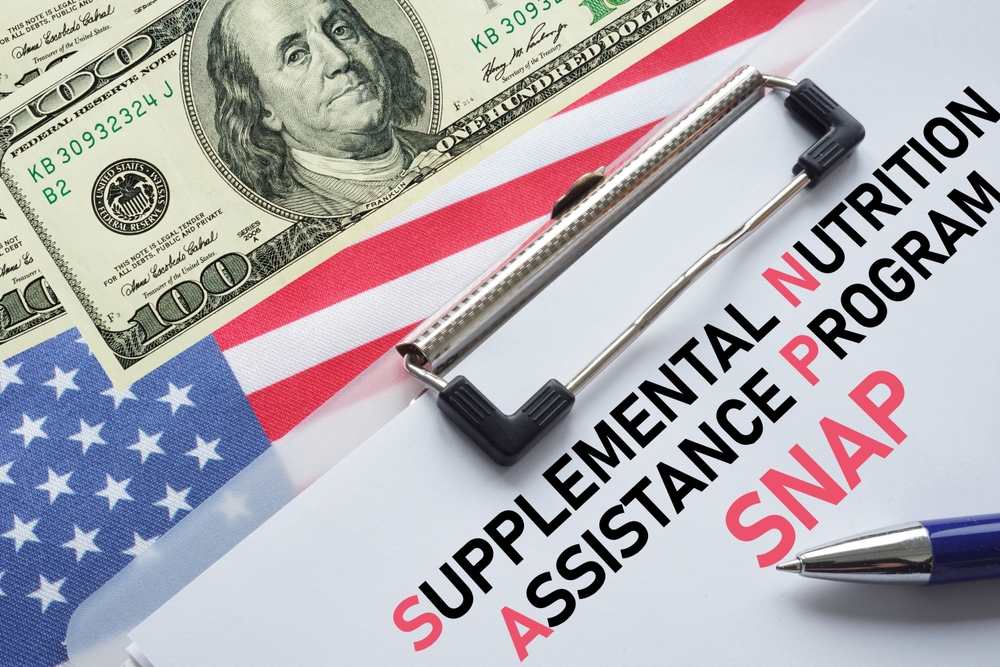
For millions of Americans, keeping food on the table has become increasingly difficult as grocery prices, housing costs, and everyday expenses continue to rise. Whether you need short-term assistance, ongoing support, or access to healthier food options, the United States offers a wide range of food assistance programs designed to help individuals and families maintain reliable access to nutritious meals.
Why Food Assistance Matters
Food insecurity can impact anyone, from working families and seniors to students and individuals facing temporary financial hardship. Food assistance programs help ease the burden in several ways.
- Reducing grocery bills
- Ensuring children have reliable access to meals
- Providing health-focused nutrition support
- Offering emergency resources during unexpected crises
- Supporting seniors and individuals with disabilities
These programs exist to ensure that no household has to choose between groceries and other essentials like housing, medicine, or utilities.
Major Food Assistance Programs in the US
1. SNAP (Supplemental Nutrition Assistance Program)
SNAP is the largest food assistance program in the country, providing monthly benefits on an EBT card that works like a debit card. Benefits can be used at grocery stores, farmers markets, and many online retailers.
What SNAP Helps Cover
- Fruits and vegetables
- Meat, poultry, and fish
- Bread, grains, and dairy
- Snacks and non-alcoholic beverages
Who Qualifies
Eligibility is based on income, household size, expenses, and immigration status.
How to Apply
Applications are state-managed and typically available online through each state’s SNAP website.
2. WIC (Women, Infants, and Children Program)
WIC provides nutritious food, breastfeeding support, formula, and health screenings.
- Pregnant women
- Postpartum women
- Infants
- Children under age 5
WIC focuses on foods that support healthy development, such as milk, eggs, whole grains, fruits, vegetables, and infant formula.
3. School Meal Programs (Free & Reduced-Price Meals)
Students from low- and moderate-income families may qualify for free or reduced-cost meals through the National School Lunch Program and School Breakfast Program. Many schools also participate in summer meal programs to ensure children have access to nutritious food year-round.
4. Meals on Wheels
Meals on Wheels provides home-delivered meals for seniors who have difficulty preparing food themselves. The program also offers wellness checks and social interaction, which can be especially valuable for older adults living alone.
5. Food Banks & Pantries
Local food banks, church pantries, and community centers distribute groceries at no cost to individuals and families. These organizations often partner with Feeding America, one of the largest hunger-relief networks in the country.
What’s (Typically) Offered
- Fresh produce
- Canned and shelf-stable items
- Frozen proteins
- Bread and dairy
- Hygiene products
Most food banks do not require proof of income, making them accessible during emergencies.
6. Senior Farmers’ Market Nutrition Program (SFMNP)
This seasonal program provides low-income seniors with coupons to buy fresh fruits, vegetables, herbs, and honey from approved farmers’ markets and roadside stands.
7. Tribal Food Assistance Programs
For Native American communities, programs such as the Food Distribution Program on Indian Reservations (FDPIR) offer an alternative to SNAP for households living on or near reservations.
Who Qualifies for Food Assistance?
Qualification requirements vary, but many programs use certain factors to determine eligibility.
- Household income relative to federal poverty guidelines
- Number of people in the household
- Age (for senior or child-focused programs)
- Pregnancy or postpartum status
- Participation in other assistance programs such as Medicaid, SSI, or TANF
Because each program has its own rules, it’s always worth checking eligibility even if you think you may not qualify.
How to Apply for Food Assistance
The application process depends on the program, but most follow a few key steps.
- Check eligibility on your state’s SNAP or WIC website or through local assistance agencies.
- Gather documents, such as proof of income, rent or utility bills, and ID.
- Submit an application online, in person, or by mail depending on program requirements.
- Complete an interview, which is common for SNAP and WIC.
- Receive benefits, often through EBT cards, vouchers, or direct pickup at participating locations.
For emergency food, simply visit a local food bank—no application needed.
Tips to Stretch Your Food Budget Even Further
Even with assistance, many families want to make their grocery dollars go further.
Things to Consider
- Using coupons and cashback apps
- Buying generic store brands
- Purchasing in-season produce
- Cooking larger meals and freezing leftovers
- Shopping discount stores like Aldi or Dollar General
- Visiting farmers markets before closing for markdowns
Small habits can create meaningful savings over time.
Food assistance programs exist to help individuals and families stay healthy and financially stable—especially during times of economic uncertainty. Whether you’re a parent trying to keep your pantry full, a senior looking for nutrition support, or someone facing unexpected hardship, there are resources available to provide real relief.