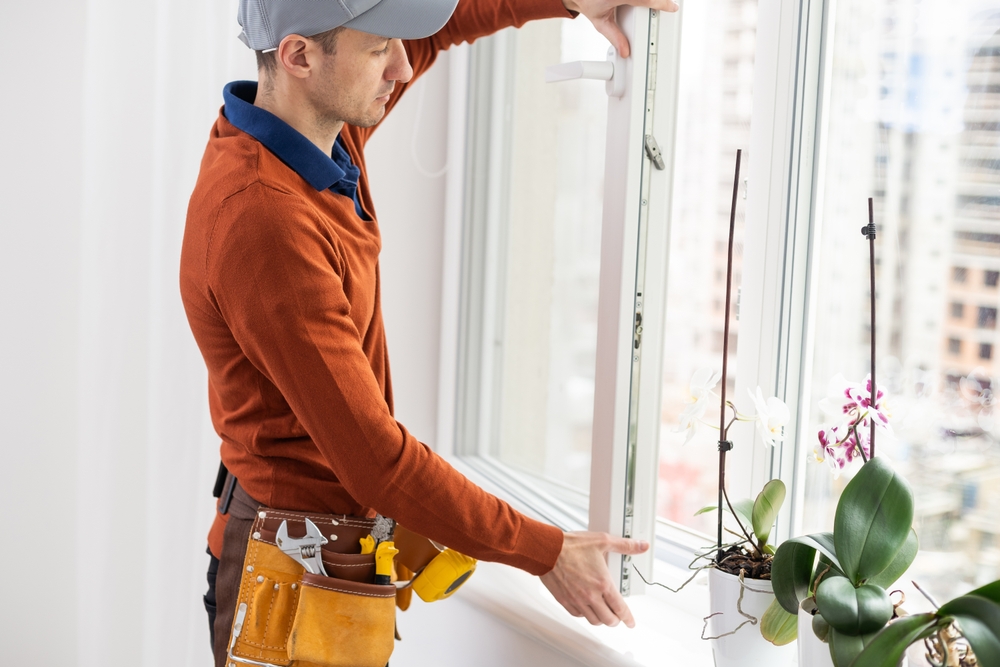
Have your windows quietly become the leakiest part of your home? Most people don’t notice the slow creep of drafts, rising energy bills, and stubborn condensation until it starts affecting comfort day-to-day. Window replacement can feel like a big decision because it’s part performance upgrade, part design choice, and part “please don’t let this become a major project.” The good news: with the right approach, it’s one of the cleanest improvements you can make.
The Real Reasons People Replace Windows
Window replacement isn’t only about aesthetics (although yes, fresh windows can instantly make a home look sharper). Most replacements happen for practical reasons—comfort, efficiency, noise reduction, and preventing moisture issues from turning into bigger repairs.
Common signs it’s time?
- Drafts you can feel even when the window is closed
- Rooms that are noticeably hotter or colder than others
- Condensation trapped between panes (failed seal)
- Windows that stick, won’t stay open, or won’t lock properly
- Foggy glass, soft wood trim, or bubbling paint near the frame
- Outside noise that seems way too loud indoors
A window can look “fine” and still be underperforming. If your HVAC is working overtime, your windows might be the reason.
Replacement Window vs. New Construction Window
This matters more than most homeowners realize. A replacement window is designed to fit into the existing frame, while a new construction window includes a nailing fin and is installed directly into the home’s framing (typically during remodels where siding is removed).
Replacement windows are usually ideal if your existing frames are structurally solid and square. New construction windows make sense if you’re doing major exterior work or the old frames are damaged.
- Replacement window installs are typically faster and less invasive
- New construction installs are best for rot, water damage, or major remodeling
Your installer should be able to explain which option matches the condition of your current window openings.
What Window Replacement Typically Costs
Costs vary widely based on window size, material, features, and labor in your area. A basic replacement might feel affordable until you multiply it by 12 windows and add labor. That’s why planning matters.
Main cost drivers?
- Number of windows (economies of scale can help)
- Frame material (vinyl is often the most affordable)
- Glass package (double-pane vs. triple-pane, coatings, gas fills)
- Window style (fixed, double-hung, casement, bay, etc.)
- Accessibility (second floor, tight landscaping, complicated trims)
- Needed repairs (rot remediation, reframing, trim work)
If you’re trying to stay budget-smart, consider replacing the worst-performing windows first, especially in bedrooms or rooms with extreme temperature swings.
Choosing the Right Window Material
Window frame material impacts durability, maintenance, energy performance, and long-term value.
Here’s the simplified breakdown.
- Vinyl: Great value, low maintenance, good insulation, lots of options
- Fiberglass: Strong, stable, excellent efficiency, higher upfront cost
- Wood: Classic look, strong insulation, requires upkeep, varies in price
- Aluminum: Sleek and strong, less insulating, better in mild climates
- Composite: Mix of materials, stable performance, mid-to-high price range
Vinyl is popular because it hits the “good enough” sweet spot for many homes. Fiberglass is often the quiet overachiever—more expensive, but incredibly durable and efficient.
The Glass Options That Actually Matter
A surprising amount of your window’s performance is in the glass, not the frame. If you’re doing window replacement to improve comfort and bills, glass choices are where you get the biggest return.
Features worth prioritizing?
- Double-pane glass (minimum standard for efficiency)
- Low-E coating (helps manage heat gain/loss)
- Argon or krypton gas fill (better insulation between panes)
- Warm-edge spacers (reduces condensation and improves performance)
Triple-pane is great in colder regions or for noise control, but it isn’t always necessary. The best choice is the one that fits your climate and comfort priorities without overspending for minimal benefit.
Picking Window Styles for Real Life
Window styles shouldn’t be chosen based purely on looks. Think airflow, cleaning convenience, and how the room is used.
- Double-hung: Classic, easy to match existing homes, good ventilation
- Casement: Cranks open wide, seals tightly, excellent for breezes
- Sliding: Simple, good for wide openings, easy operation
- Picture: Fixed window for light and views, often paired with openable sides
- Awning: Opens outward at the bottom, useful for ventilation even in rain
If you’ve ever fought with a sticky old window, you’ll appreciate how much “easy operation” improves daily life.
Installation: The Part That Makes or Breaks Everything
Even premium windows can underperform if installation is sloppy. Poor leveling, gaps in insulation, and bad sealing lead to drafts, moisture, and frustration—sometimes within months.
A quality installation should include a few things.
- Accurate measurements and square fit
- Proper shimming and leveling
- Sealed perimeter (inside and outside)
- Insulation around the opening (not just spray foam chaos)
- Clean exterior trim and water management
Ask your installer what they do to prevent water intrusion and how they finish the exterior. The details matter.
How to Hire a Window Company Without Regret
Window replacement is one of those categories where sales tactics can get weird fast. Big discounts, “today only” offers, confusing financing—it can make homeowners feel cornered. You don’t need that energy.
What to look for?
- Itemized quote that separates window cost and labor
- Clear warranty terms (window + labor)
- Proof of licensing/insurance (if applicable in your area)
- Installation method explained in plain language
- Realistic timeline and what happens on install day
And yes—get at least two quotes. Not because you’re trying to play games, but because it helps you spot inflated pricing and inconsistent recommendations.
The Payoff: Comfort You Feel, Not Just Numbers
Window replacement isn’t only about resale value or energy savings. The real win is how your home feels: steadier temperatures, less noise, fewer cold spots, and windows that open like they’re not fighting you.
When you choose the right material, glass package, and installer, you’re not just buying new windows. You’re buying less friction in everyday life.
A Clearer Home Starts With Better Windows
The best window replacement projects don’t feel dramatic—they feel quietly satisfying. Rooms feel calmer. Your HVAC gets a break. Outside noise fades. And you stop noticing your windows altogether, which is kind of the point. If you focus on performance, installation quality, and smart material choices, the results are the kind you feel every single day.