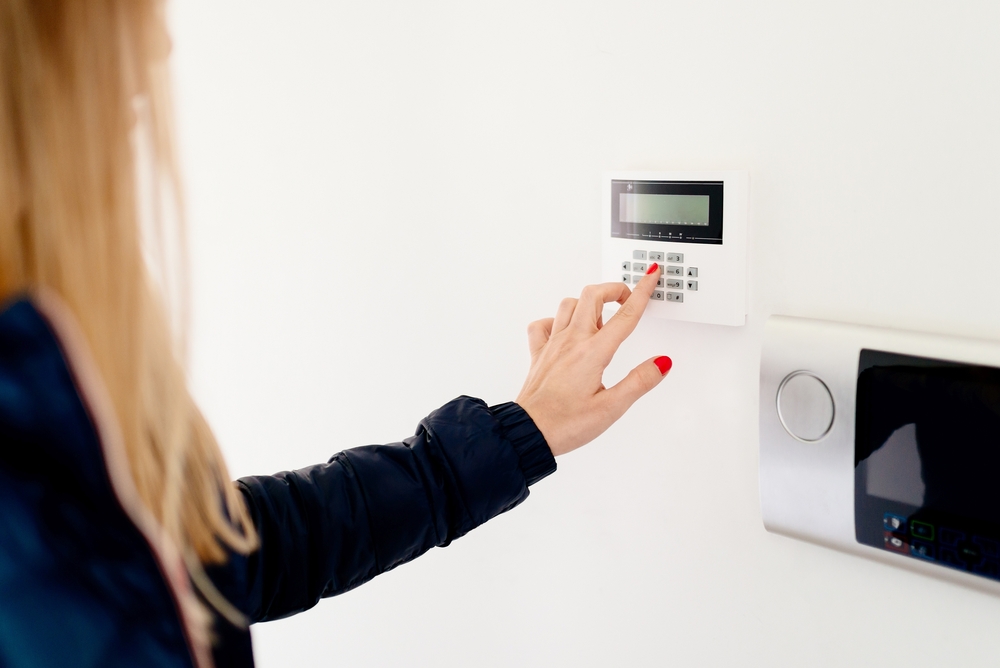
Have you ever laid in bed at night and realized your home is basically quiet… and that’s exactly what makes every weird noise feel suspicious? A home alarm system isn’t just about stopping break-ins. It’s about reducing uncertainty—knowing you’ll get an alert if something opens, moves, breaks, or shouldn’t be happening. The right setup can protect your home, simplify your routines, and help you feel more in control every day.
Home alarm systems generally fall into three categories: professionally monitored systems, self-monitored systems, and hybrid systems that let you switch between the two. The best choice depends less on “what’s the best brand” and more on how you actually live—your schedule, your comfort with tech, and whether you want someone else responding when you can’t.
How Home Alarm Systems Work (In Normal-Person Terms)
A home alarm system is basically a team of sensors and devices that report to a central hub (the brains), which then triggers alerts (sirens, phone notifications, emergency calls) when something looks wrong. Most modern systems connect through Wi-Fi and cellular backup, and they’re designed to keep working even if power goes out.
The key components are simple, but the combinations matter.
- Control panel or hub that connects sensors and sends alerts
- Door/window contact sensors that trigger when something opens
- Motion sensors that detect movement inside the home
- Glass break sensors that recognize shattering glass patterns
- Siren that creates noise to scare off intruders and alert neighbors
- Camera or doorbell camera for live view and recorded footage
- Keypad, key fob, or mobile app to arm/disarm quickly
- Environmental sensors for smoke, carbon monoxide, water leaks, and temperature changes
This is why alarm systems aren’t only about break-ins. The “extras” are often the most valuable.
Professional Monitoring vs Self Monitoring
This is the fork in the road most people face.
Professional monitoring means a monitoring center gets alerts and can contact emergency responders. Self monitoring means you get the alert and you decide what to do.
Both can be great. Both can also be frustrating if they don’t match your lifestyle.
- Professional monitoring makes sense if you travel often, sleep deeply, or want backup when you’re busy
- Self monitoring makes sense if you’re budget-conscious, tech-comfortable, and usually near your phone
- Hybrid monitoring is ideal if you want flexibility (pay for monitoring during travel or certain seasons)
If you live in a busier neighborhood or you’re away a lot, professional monitoring can reduce decision fatigue. If you’re home most of the time and prefer control, self monitoring can feel cleaner.
Wired vs Wireless (And Why Wireless Usually Wins Now)
Wired systems are traditionally reliable and stable, but they typically require professional installation and can be harder to expand. Wireless systems are easier to install, easier to move, and easier to upgrade.
Wireless is now the default for most households because it fits modern life better—especially renters, frequent movers, and anyone who doesn’t want their walls drilled into.
- Wired systems are stable and low-maintenance once installed
- Wireless systems are flexible, DIY-friendly, and expand easily
- Battery-powered sensors can keep working during power outages
- Cellular backup prevents your system from being helpless during Wi-Fi outages
If you choose wireless, pay attention to battery life and whether the system supports cellular backup (often included with paid monitoring).
Features That Actually Matter (Not Just Cool Extras)
A lot of alarm system marketing focuses on cameras and flashy app screens. Those are nice, but a reliable security setup is mostly about coverage and speed.
If you want a system that truly protects you, prioritize these basics first.
- Entry sensors on every ground-level door and accessible window
- Motion coverage in main pathways (hallways, living room entry points)
- Loud siren with quick trigger response
- Cellular backup if monitoring is important to you
- Simple arming routines you’ll actually follow daily
- A clean app experience with fast alerts and clear event history
And if you have pets, pet-friendly motion detection matters. A system that constantly false-alarms becomes a system you stop trusting.
Choosing the Right Setup for Your Home Layout
Every home has different weak points. A small apartment needs a different plan than a multi-story house with multiple entrances.
Start by thinking like someone trying to enter unnoticed. Then build coverage around those access points.
- Front door and back door sensors as non-negotiables
- Garage entry door sensor if the garage connects to the home
- Sliding door sensors (these are a common vulnerability)
- Motion sensor facing the main entry route (not tucked in a corner)
- Glass break sensor for rooms with large, accessible windows
- Doorbell camera if packages or surprise visitors are common issues
If you’re building a system from scratch, your first goal isn’t perfection. It’s making your home harder to target than the next one.
Smart Home Compatibility (Useful When It’s Not Overdone)
Smart home features can genuinely improve security—when used intentionally. The best integrations aren’t flashy. They’re practical: lights turning on, doors locking automatically, and arming reminders when you leave.
- Smart locks that auto-lock at night or after a certain time
- Smart lighting schedules to make your home look occupied
- Geofencing reminders to arm when leaving the neighborhood
- Voice control for quick arming (with secure PIN options)
- Automation rules like “when alarm triggers, turn on all lights”
Just don’t overcomplicate it. Complexity creates confusion, and confusion creates mistakes.
Costs, Contracts, and What to Watch For
Home alarm systems range from affordable DIY kits to premium full-service packages. The real difference isn’t only equipment—it’s ongoing fees.
Watch out for long-term contracts, price increases after introductory periods, and add-on charges for basic features like recording.
- Equipment costs vary widely based on sensors, cameras, and hub type
- Monitoring fees are usually monthly and can include cellular backup
- Cloud storage may be required for video recordings
- Some systems lock you into multi-year contracts
- Cancellation fees can apply even if you move
If you want the most flexibility, look for contract-free options, portable equipment, and month-to-month monitoring.
A Smarter Kind of Peace of Mind
A home alarm system should make your life calmer, not more complicated. The best systems aren’t the ones with the most gadgets—they’re the ones you’ll actually arm every day, maintain without stress, and trust when it matters. If your setup covers the right entry points, alerts you quickly, and supports the routines you already live by, it’s doing its job. Peace of mind isn’t a luxury feature—it’s the whole point.