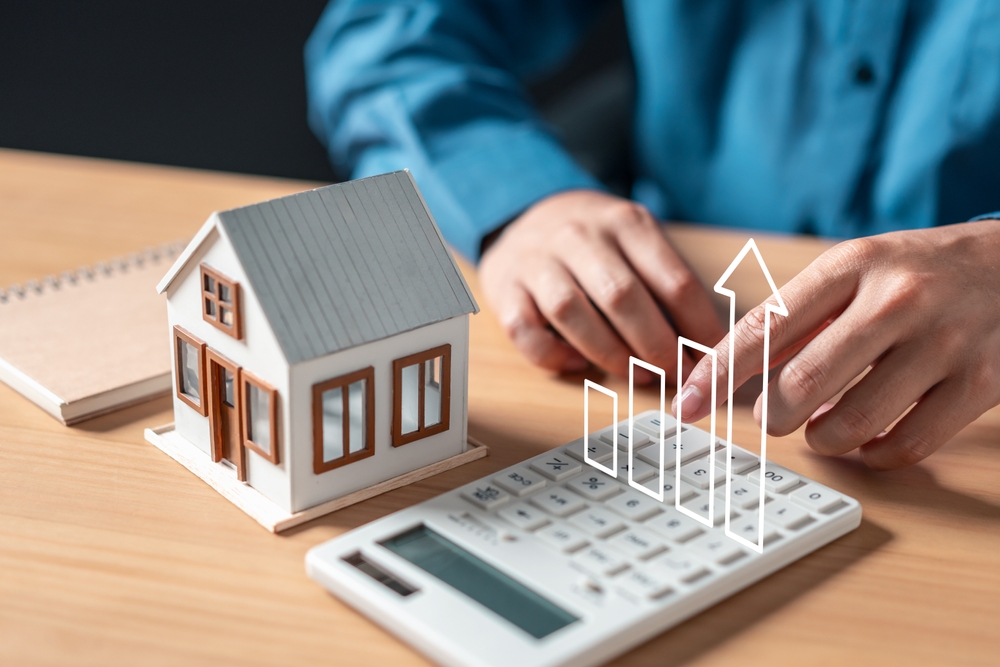
Have you ever wondered if your home is worth more today than you think—or less than you assume? A home’s value isn’t just a number that matters when selling. It affects borrowing power, long-term financial planning, and how confidently you make decisions about renovations or timing a move. Getting your home evaluated brings clarity to one of your most important assets and helps replace guesswork with real insight.
Why Knowing Your Home’s Value Actually Matters
Many homeowners only think about value when a sale feels imminent. In reality, understanding your home’s current value plays a role in everyday financial choices. Without a clear estimate, it’s easy to overestimate equity, delay smart opportunities, or misjudge what improvements are worth pursuing.
A home evaluation helps you in a few ways.
- Understand how much equity you truly have
- Avoid being caught off guard by appraisals or refinancing limits
- Make informed decisions about upgrades or repairs
- Set realistic expectations if selling becomes an option
- Track how market changes affect your personal finances
When you know the numbers, you’re no longer reacting—you’re planning.
The Benefits Go Beyond Selling
Even if you have no plans to move, evaluating your home offers practical benefits that ripple through your financial life. Home value influences everything from loan eligibility to insurance coverage, and it can change quietly as markets shift.
There are some key benefits of getting your home evaluated.
- Clearer financial planning for mid- and long-term goals
- Better timing for refinancing or home equity options
- More confidence when budgeting for renovations
- A stronger understanding of your net worth
- Reduced stress when market headlines fluctuate
Rather than guessing whether now is a good time to act, you gain the context to decide calmly.
How a Home Value Calculator Fits In
Home value calculators have become one of the most accessible tools for homeowners who want insight without commitment. These tools use recent sales data, market trends, and property details to generate an estimated value quickly.
A home value calculator is especially useful because it does a few things.
- Provides a fast snapshot of where your home stands
- Reflects current market activity rather than outdated assumptions
- Helps you spot trends over time when checked periodically
- Offers a starting point before speaking with professionals
While a calculator won’t replace a formal appraisal, it’s a powerful way to stay informed and prepared.
Why Estimates Are Better Than No Information
Some homeowners avoid checking their home’s value because they worry the number won’t be accurate or helpful. But even an estimate is better than operating without any reference point.
Using a home value calculator allows you to do a couple of things.
- Compare your expectations with real market data
- Catch significant changes early instead of being surprised later
- Decide whether deeper evaluation is worth pursuing
- Build confidence before larger financial conversations
Think of it as a temperature check—it doesn’t diagnose everything, but it tells you when to pay closer attention.
Understanding What Shapes the Value You See
When using a calculator or reviewing an evaluation, it helps to know what factors influence the result. Home value isn’t determined by one feature alone—it’s a combination of property specifics and market dynamics.
Common value drivers?
- Recent sales of similar homes nearby
- Overall market demand and inventory levels
- Your home’s size, layout, and condition
- Location factors such as convenience and surroundings
- Updates, renovations, and energy efficiency
Recognizing these influences helps you interpret results realistically instead of emotionally.
Using Home Value Insights to Make Smarter Decisions
Once you have a clearer sense of your home’s value, that information becomes actionable. It can guide decisions that impact both your short-term comfort and long-term financial health.
- Decide whether refinancing makes sense
- Prioritize improvements that align with value goals
- Plan future moves without pressure or urgency
- Adjust financial strategies as equity grows
- Avoid over-investing in low-return upgrades
Instead of guessing what might pay off, you’re working with real context.
When to Recheck Your Home’s Value
Home value isn’t static, and checking it once isn’t enough. Markets shift, neighborhoods evolve, and improvements add up over time.
It’s wise to revisit your home’s value in certain situations.
- Annually, to stay aligned with market changes
- After completing major renovations or repairs
- When interest rates or lending conditions change
- Before making significant financial decisions
- If nearby homes sell at unexpected prices
Regular check-ins help you stay proactive rather than reactive.
Turning Awareness Into Advantage
Getting your home evaluated isn’t about chasing the highest number—it’s about understanding where you stand. A home value calculator offers an easy, low-pressure way to stay informed, track changes, and make smarter financial choices over time. When you know your home’s value, you gain more than a figure—you gain confidence, flexibility, and control over one of the most important assets you own.