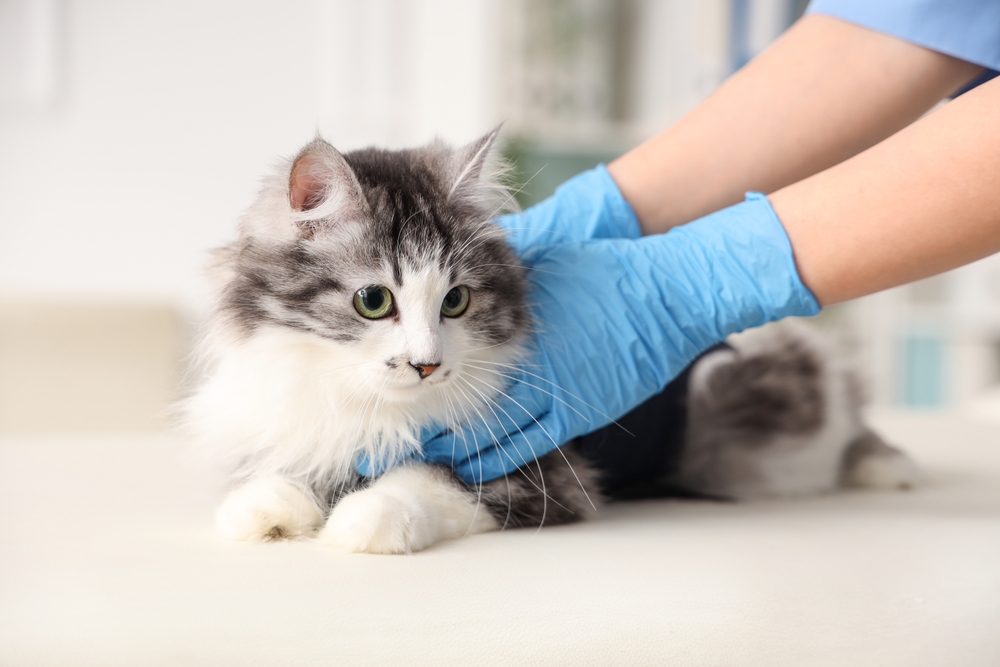
Have you ever worried about how you would handle a sudden, expensive vet bill if your pet needed urgent care? Pet insurance exists to reduce the financial stress that can come with medical decisions, helping owners focus on care rather than cost. As veterinary treatments become more advanced and specialized, insurance has shifted from a niche option to a practical tool for managing long-term pet health and household budgets.
What Pet Insurance Actually Covers
Pet insurance works on a reimbursement model in most cases. You pay the veterinary clinic upfront, submit a claim, and receive reimbursement based on your policy’s terms. Coverage varies widely, but most plans fall into a few main categories.
Here are the most common types of coverage found in pet insurance policies.
- Accident coverage, which helps pay for injuries like broken bones, bite wounds, or accidental poisoning.
- Illness coverage, which includes infections, digestive issues, allergies, and chronic conditions.
- Hereditary and congenital conditions, depending on the policy and enrollment timing.
- Diagnostic testing, including blood work, X-rays, ultrasounds, and MRIs.
- Prescription medications related to covered conditions.
Some plans also offer optional add-ons for routine care. These typically help offset predictable expenses rather than emergencies.
- Annual wellness exams.
- Vaccinations.
- Flea, tick, and heartworm prevention.
- Dental cleanings.
Understanding exactly what a plan covers is essential, since exclusions and limitations can significantly affect real-world value.
Why Many Pet Owners Choose Insurance
Veterinary medicine has advanced rapidly, offering treatments that rival human healthcare in sophistication. While this improves outcomes, it also raises costs. Pet insurance helps smooth those costs over time.
Pet owners often choose insurance for several practical reasons.
- It reduces the risk of having to make medical decisions based on finances rather than care options.
- It provides more predictable monthly expenses instead of sudden large bills.
- It supports long-term treatment for chronic conditions like diabetes or arthritis.
- It can make emergency care more accessible when time matters most.
Insurance does not eliminate costs, but it can significantly lower financial pressure during stressful situations.
Key Factors That Affect Pricing
Pet insurance premiums are not one-size-fits-all. Several factors influence how much you pay each month and how much you receive back after a claim.
Here are the most common pricing factors.
- Pet age, since older pets are more likely to need medical care.
- Breed, because some breeds are prone to specific health conditions.
- Location, as veterinary costs vary by region.
- Coverage level, including accident-only versus comprehensive plans.
- Deductible amount and reimbursement percentage.
Higher premiums often come with lower deductibles or higher reimbursement rates. Balancing these elements helps tailor coverage to your budget and risk tolerance.
Deductibles, Reimbursement, and Limits
Understanding how payouts work is just as important as understanding coverage. These terms determine what you actually receive when you file a claim.
Most policies include the following elements.
- A deductible, which is the amount you pay out of pocket before reimbursement begins.
- A reimbursement rate, commonly ranging from 70 percent to 90 percent.
- Annual, per-incident, or lifetime limits on payouts.
For example, a plan with a higher deductible may cost less monthly but require more upfront spending during a medical event. Choosing the right structure depends on whether you prefer lower monthly costs or lower surprise expenses.
Common Exclusions to Watch For
Every pet insurance policy includes exclusions. Knowing them ahead of time helps avoid frustration later.
Here are exclusions frequently found in policies.
- Pre-existing conditions diagnosed before coverage begins.
- Cosmetic procedures unless medically necessary.
- Breeding-related expenses.
- Behavioral therapy, unless specifically included.
- Alternative treatments not recognized by the policy.
Some insurers define pre-existing conditions strictly, while others are more flexible if a condition has been symptom-free for a certain period.
How to Compare Pet Insurance Providers
Comparing pet insurance plans involves more than just price. Service quality, claim processing speed, and transparency all matter when you actually need support.
When evaluating providers, consider the following.
- How quickly claims are processed and paid.
- Whether you can choose any licensed veterinarian.
- Customer reviews related to denied or delayed claims.
- Availability of direct payment to vets, if offered.
- Flexibility to adjust coverage as your pet ages.
Companies like Nationwide, Trupanion, and Healthy Paws often appear in comparisons, but the best option depends on your pet’s needs rather than brand recognition alone.
When Pet Insurance Makes the Most Sense
Pet insurance tends to be most valuable when purchased early. Younger pets generally have fewer pre-existing conditions and lower premiums, making it easier to maintain coverage long term.
Insurance is especially helpful in certain situations.
- Own a breed with known hereditary health risks.
- Want peace of mind for emergency situations.
- Prefer predictable monthly expenses.
- Plan to pursue advanced treatments if needed.
For older pets, insurance can still be useful, but coverage may be more limited and expensive.
Building a Smarter Safety Net for Your Pet
Pet insurance is not about expecting something to go wrong. It is about preparing for uncertainty in a way that protects both your pet and your finances. By understanding coverage details, exclusions, and cost structures, you can choose a plan that supports responsible care without unnecessary stress. The right policy turns unexpected medical moments into manageable decisions, allowing you to focus on what matters most: your pet’s comfort, health, and quality of life.