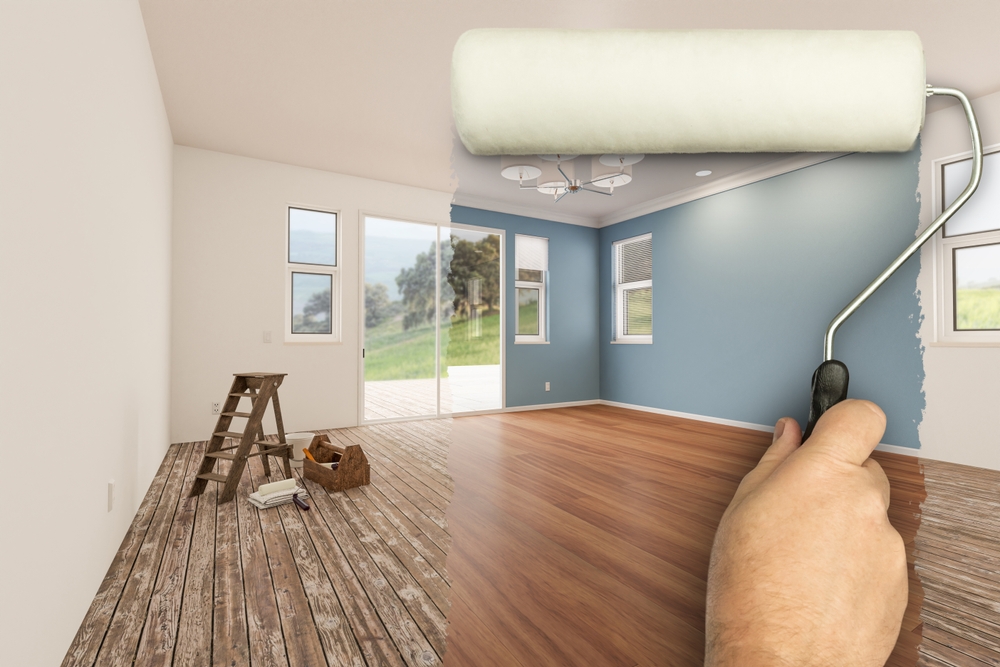
Have you ever walked through your home and thought about how much better it could function with a few well-planned changes? Home remodeling is often driven by that moment of realization when a space no longer fits daily routines, comfort needs, or long-term plans. Whether the goal is modernizing finishes, improving flow, or increasing usability, remodeling allows homeowners to adapt their living space without the disruption of moving. It blends creativity with practicality to reshape how a home feels and performs.
Why Home Remodeling Continues to Be a Popular Choice
Home remodeling is about more than aesthetics. Many projects start because a space feels outdated, inefficient, or difficult to use. Kitchens may feel cramped, bathrooms may lack storage, or living areas may no longer match how people spend their time. Remodeling addresses these issues while also offering the chance to personalize a home in ways that new construction often cannot.
Another major reason people choose to remodel is long-term value. Strategic updates can make a home more appealing, functional, and resilient to changing needs over time. Even modest improvements can significantly enhance daily comfort and overall satisfaction.
Common Areas That Benefit Most From Remodeling
Certain areas of the home tend to deliver the greatest impact when remodeled. These spaces are used frequently and strongly influence how the home functions.
- Kitchens that are redesigned for better layout, storage, and workflow.
- Bathrooms that focus on comfort, accessibility, and efficient use of space.
- Living areas that improve openness, lighting, and traffic flow.
- Bedrooms that incorporate better storage solutions and calming design elements.
- Entryways and mudrooms that add organization and reduce clutter.
Each of these spaces plays a role in how the home supports daily routines and long-term livability.
Planning a Successful Home Remodeling Project
Effective remodeling starts with thoughtful planning. Rushing into a project without clear goals can lead to budget overruns, design regrets, or unnecessary stress. A successful plan balances vision with practical constraints such as timeline, budget, and existing structure.
- Define what problems the remodel should solve.
- Decide which features are essential versus optional.
- Establish a realistic budget with room for unexpected costs.
- Consider how the remodel will affect daily life during construction.
- Think about future needs, not just current preferences.
Clear planning helps ensure that the finished project aligns with both lifestyle and financial expectations.
Balancing Style and Functionality
One of the biggest challenges in home remodeling is finding the right balance between style and function. A visually striking space that is difficult to use quickly loses its appeal, while a purely functional design may feel uninspired. The most successful remodels combine both.
Materials, layouts, and finishes should support how the space is used every day. Durable surfaces, smart storage, and thoughtful lighting choices often matter just as much as color palettes and design trends. Prioritizing function ensures that the remodel remains satisfying long after the excitement of completion fades.
Budgeting Considerations for Home Remodeling
Budgeting is a critical part of any remodeling project. Costs can vary widely depending on scope, materials, and labor. Understanding where money is typically spent helps set realistic expectations.
- Labor often represents a significant portion of the total cost.
- Structural changes tend to be more expensive than cosmetic updates.
- Quality materials may cost more upfront but reduce maintenance over time.
- Permits and inspections can add to overall expenses.
- Unexpected repairs may arise once work begins.
A clear budget acts as a decision-making tool throughout the project, guiding choices and preventing costly surprises.
The Role of Professionals in Remodeling Projects
While some homeowners take on smaller projects themselves, larger remodels often benefit from professional expertise. Designers, contractors, and specialized trades bring experience that can prevent mistakes and streamline the process. They also help navigate building codes, structural considerations, and sequencing of work.
Working with professionals can improve efficiency and quality, especially for complex projects involving plumbing, electrical systems, or structural changes. Clear communication and detailed agreements help ensure expectations are met on both sides.
Living Through a Remodel
Remodeling can temporarily disrupt daily routines, especially when essential spaces like kitchens or bathrooms are involved. Preparing for this disruption makes the process more manageable. Setting up temporary solutions, adjusting schedules, and maintaining flexibility can reduce stress.
It is also helpful to remember that remodeling is a finite process. While it may feel inconvenient at times, the long-term benefits often outweigh the short-term challenges.
Making Remodeling Decisions With the Future in Mind
A well-executed remodel considers not only current needs but also future ones. Changes in household size, mobility, or work habits can all influence how a space should function over time. Choosing adaptable layouts and timeless design elements can extend the usefulness of a remodel.
Energy efficiency, durability, and low-maintenance materials are also important factors. These considerations can make a home more comfortable and cost-effective for years to come.
Turning Remodeling Plans Into Lasting Improvements
Home remodeling is an opportunity to reshape a living space so it better supports everyday life, personal style, and long-term goals. When approached with careful planning, realistic budgeting, and attention to both function and design, remodeling projects can deliver lasting improvements that go far beyond surface changes. The result is a home that feels more aligned with how it is lived in today and prepared for what comes next.