Have you noticed water spilling over the edges of your gutters or pooling near your home after a rainstorm? Gutters quietly protect your roof, walls, and foundation by guiding water safely away, yet they are often overlooked until damage appears. Understanding how gutter repair works and why it matters can help homeowners prevent costly issues while extending the life of their property’s exterior systems.
Gutters As A Home’s First Line Of Defense
Gutters play a critical role in managing rainwater and melting snow, directing moisture away from vulnerable areas of a home. When working properly, they prevent erosion around the foundation, protect siding from water stains, and reduce the risk of basement leaks. Over time, however, debris buildup, shifting sections, and weather exposure can weaken their performance.
Small problems can quietly grow into serious structural concerns if left unaddressed. A slight sag can cause water to pool, while tiny cracks can allow moisture to seep behind walls. Regular inspection and timely repair keep gutters functioning efficiently, preserving both curb appeal and structural integrity. By viewing gutters as an essential protective system rather than a simple accessory, homeowners can better appreciate the importance of keeping them in good working order.
Common Signs Your Gutters Need Attention
Gutter issues rarely appear overnight. They tend to develop gradually, often offering subtle warnings before major damage occurs. Paying attention to these signs allows repairs to happen early, saving both time and money.
Visible Warning Signals
- Water overflowing during rainfall
- Sagging or pulling away from the roofline
- Rust spots, cracks, or small holes
- Peeling paint or stains along siding
Recognizing these clues early can prevent water from reaching areas where it can cause long-term harm. Even minor visual changes often indicate underlying structural stress or blockages that should be addressed promptly.
Why Small Repairs Matter More Than You Think
It’s easy to dismiss minor gutter damage as a cosmetic issue, but small problems can lead to significant consequences. When water isn’t properly diverted, it can seep into roofing materials, weaken wooden fascia boards, and slowly erode soil around the foundation. Over time, this moisture exposure can result in mold growth, structural shifting, and costly repairs beyond the gutters themselves.
Fixing small leaks, tightening loose fasteners, or correcting misalignment helps maintain consistent water flow. Preventive repairs are typically quick and affordable compared to large-scale restoration projects. In many cases, homeowners who stay ahead of gutter maintenance avoid needing full replacements altogether. Taking early action protects not just the gutters but the entire home from water-related deterioration.
Typical Gutter Problems And How They’re Fixed
Gutters experience wear from constant exposure to the elements, falling debris, and shifting temperatures. While each home’s situation is unique, certain repair needs are especially common.
Frequent Repair Scenarios
- Sealing leaks with waterproof gutter sealant
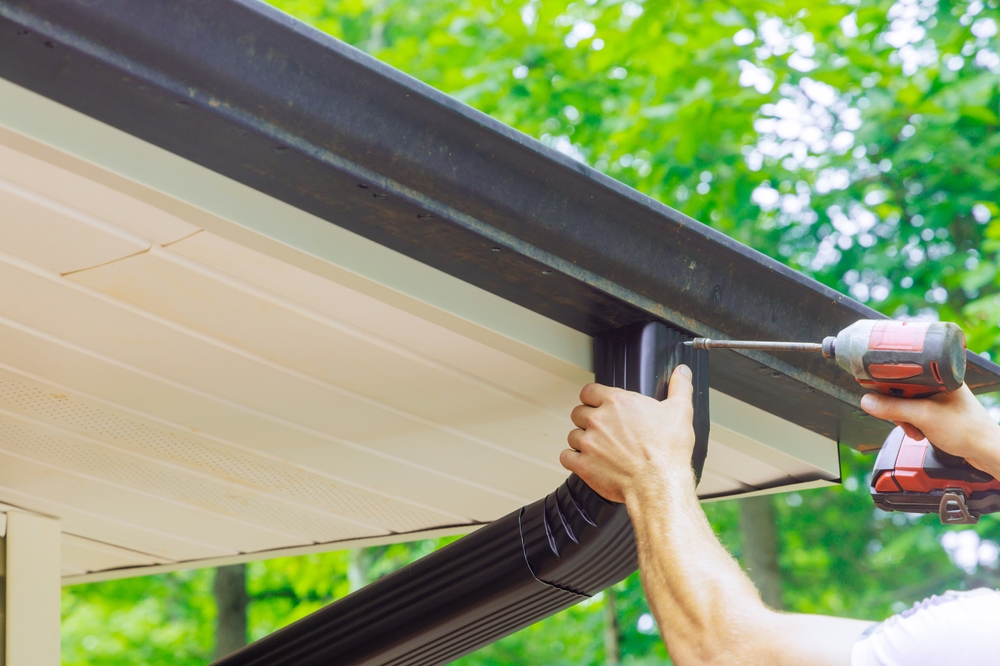
- Reattaching loose sections with new brackets or screws
- Replacing damaged downspouts to restore flow
- Realigning gutters to correct slope and drainage
These straightforward fixes restore proper water movement and prevent pooling. In many cases, targeted repairs extend the lifespan of existing gutters for years, making them a practical alternative to full replacement.
DIY Repairs Versus Professional Help
Some gutter repairs can be handled by homeowners with basic tools and safety precautions, such as clearing debris or sealing small cracks. However, working at heights always carries risks, and diagnosing deeper issues isn’t always simple. Improper slope, hidden water damage, or structural weaknesses often require experienced evaluation.
Professionals bring specialized equipment, secure ladder systems, and knowledge of drainage design. They can identify problems that may not be visible from the ground and ensure repairs are completed safely and correctly. While DIY efforts may save money in the short term, professional service often provides longer-lasting results and greater peace of mind, especially for larger or recurring issues.
Maintenance Habits That Prevent Costly Damage
Routine care plays a major role in reducing the need for frequent gutter repairs. Simple upkeep helps keep water flowing freely and minimizes stress on gutter components.
Simple Preventive Actions
- Cleaning gutters seasonally to remove leaves and debris
- Checking fasteners and brackets for looseness
- Flushing downspouts to clear blockages
- Inspecting after storms for new damage
Consistent maintenance reduces the chance of overflow, sagging, and leaks. Homeowners who incorporate these habits into their regular home care routine often experience fewer problems and longer gutter lifespan.
Protecting Your Home From The Top Down
Gutter repair is about more than fixing metal channels along the roofline—it’s about safeguarding the entire structure of a home from water damage. When gutters function properly, they quietly preserve foundations, walls, and landscaping by keeping moisture under control. Addressing small issues promptly, investing in routine maintenance, and knowing when to seek professional help all contribute to a healthier home environment. By giving gutters the attention they deserve, homeowners protect one of their property’s most valuable assets from the slow but powerful effects of uncontrolled water.