Anxiety is a normal part of life, often arising in times of stress and anxiety. In many cases, it serves a valuable purpose by acting as a motivator or a protective mechanism in potentially dangerous situations. However, when anxiety becomes persistent, excessive, or begins to interfere with daily life, it can develop into a mental health challenge. Anxiety disorders are among the most common mental health conditions worldwide, affecting millions of people in diverse ways – from generalized worry to specific phobias.
Taking steps to access support is a crucial step toward managing anxiety, and medication is one of the most effective ways to regain control and address your symptoms. But with multiple medication options available, it can be challenging to know which one is right for you. Luckily, there are a few key pieces of information that can help make your decision easier.
Understanding Anxiety

What is Anxiety?
Anxiety is a natural bodily response to danger, stress and stress or perceived threats, rooted in the body’s fight or flight response. This reaction prepares you to face challenges or avoid dancer. For most people, this response on occasion is manageable and a normal part of life. For others, anxiety can become disproportionate, frequent, or difficult to control, which may indicate an anxiety disorder.
People with anxiety disorders can experience overly intense worry and fear about everyday situations. This can include sudden episodes of extreme anxiety or panic that peak within minutes, known as panic attacks. These feelings can disrupt daily life and may lead individuals to avoid certain situations or places to prevent them.
Common Symptoms
Anxiety can manifest differently in each person, with symptoms ranging from physical to emotional and behavioral.
Physical Symptoms
- Rapid heartbeat.
- Sweating or trembling.
- Muscle tension or fatigue.
- Shortness of breath or dizziness.
Emotional Symptoms
- Excessive worry or fear.
- Restlessness or irritability.
- Difficulty concentrating or feeling “on edge.”
Behavioral Symptoms
- Avoiding situations that trigger anxiety.
- Compulsive behaviors or rituals (in some cases).
If you recognize that you are experiencing some of these symptoms persistently, or that they are significantly impacting your life, then you may need to seek professional help. You’re on the right track!
Types of Anxiety Disorders
Anxiety can present in various forms. Different types of anxiety disorders include Generalized Anxiety Disorder (GAD), Social Anxiety Disorder, Panic Disorder, Agoraphobia and Specific Phobias. Other mental health conditions such as post-traumatic stress disorder (PTSD), acute stress disorder and obsessive-compulsive disorder (OCD), share similarities with anxiety disorders but are treated as distinct conditions.
| Type of Anxiety Disorder | Description | Symptoms |
|---|---|---|
| Generalized Anxiety Disorder (GAD) | Persistent, excessive worry about various aspects of life, such as work, health, or social interactions. | Chronic worry, restlessness, fatigue, difficulty concentrating, muscle tension, sleep disturbances. |
| Panic Disorder | Recurrent and unexpected panic attacks, with physical symptoms such as rapid heart rate and shortness of breath. | Rapid heartbeat, dizziness, chest pain, sweating, chills, shortness of breath, fear of losing control. |
| Social Anxiety Disorder (SAD) | Extreme fear or anxiety about social situations, leading to avoidance of such events. | Intense fear of judgment, blushing, sweating, trembling, heart palpitations, avoiding social situations. |
| Specific Phobias | Intense fear of a specific object or situation, such as heights, spiders, or flying. | Extreme fear, panic attacks, avoidance of the phobic object or situation. |
| Agoraphobia | Fear of being in situations where escape might be difficult or help unavailable during a panic attack. | Fear of crowded places, leaving home, using public transportation, feeling trapped. |
| Separation Anxiety Disorder | Excessive fear or anxiety about being separated from a loved one or home. | Excessive worry about losing attachment figures, nightmares, fear of being alone. |
| Obsessive-Compulsive Disorder (OCD) | Recurrent, intrusive thoughts (obsessions) and/or repetitive behaviors (compulsions) performed to reduce anxiety. | Repetitive actions or thoughts, such as washing hands or checking locks, fear of contamination. |
| Post-Traumatic Stress Disorder (PTSD) | Anxiety triggered by traumatic events, with flashbacks, nightmares, or emotional numbing. | Flashbacks, nightmares, hypervigilance, avoidance of reminders, irritability, emotional numbness. |
| Selective Mutism | A severe anxiety disorder in which a person consistently fails to speak in specific social situations despite speaking in other settings. | Inability to speak in certain situations, social withdrawal, anxiety in social environments. |
An accurate diagnosis is important to understand your treatment needs. Each type of anxiety disorder has distinct symptoms which can be managed differently and will interact differently with medication or therapy.
Treatment Overview

Medication is regularly prescribed as part of a broader treatment plan for anxiety disorders which may also include therapy, lifestyle changes or holistic practices. There are four main groups of medications which are commonly prescribed for anxiety.
Serotonin Reuptake Inhibitors (SSRIs)
SSRIs are an antidepressant medication but are also often offered as a treatment option for anxiety. They work by increasing levels of serotonin, a neurotransmitter that affects a multitude of bodily functions.
- Mood
- Sexual desire
- Appetite
- Sleep
- Memory
SSRIs are generally considered to be the first-line drug treatment for GAD.
Examples of SSRIs Used to Treat Anxiety
- Escitalopram (Lexapro)
- Fluoxetine (Prozac)
- Paroxetine (Paxil)
- Sertraline (Zoloft)
Benzodiazepines
Benzodiazepines are sedatives that can help relax your muscles and calm your mind. Largely prescribed for fast relief of acute anxiety, they work by increasing the effects of certain neurotransmitters, which are chemicals that relay messages between your brain cells.
Benzodiazepines help with many kinds of anxiety disorders, including phobias, panic disorder, GAD and social anxiety disorders.
Examples of Benzodiazepines
- Alprazolam (Xanax)
- Chlordiazepoxide (Librium)
- Clonazepam (Klonopin)
- Diazepam (Valium)
- Lorazepam (Ativan)
Tricyclics
Tricylcic antidepressants are an older class of antidepressant which work by blocking the reabsorption of serotonin and norepinephrine, thus increasing the levels of these neurotransmitters in the brain.
Examples of Tricyclics Used for Anxiety
- Clomipramine (Anafranil)
- Imipramine (Tofranil)
Beta-blockers
Beta-blockers are a common medication for people with high blood pressure or heart problems, but are also often prescribed to relieve the physical symptoms of anxiety, particularly in people with social anxiety disorder. Beta-blockers reduce the effects of norepinephrine, meaning that they can relieve some of the physical symptoms of anxiety.
Examples of Beta-Blockers
- Atenolol (Tenormin)
- Propranolol (Inderal)
Therapy
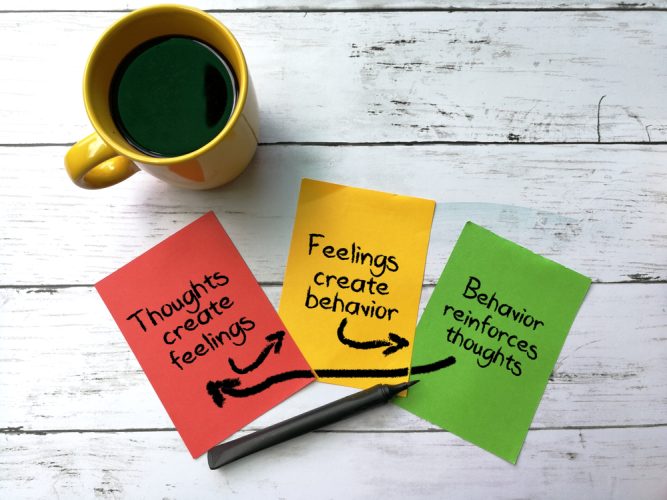
Psychotherapies such as Cognitive Behavioral Therapy (CBT), EMDR or group therapies can be highly effective in treating and supporting people to manage their anxiety.
Holistic Approaches
Lifestyle changes which improve your wellbeing holistically are a great way to empower yourself to ease your anxiety. This could include incorporating exercise, meditation, stress management strategies, journaling or yoga into your daily life.
Benefits of Medication for Anxiety
For individuals with moderate to severe anxiety, or acute anxiety, medication can play a crucial role in treatment.
How Medication for Anxiety Works
Anxiety medications work by targeting specific chemical processes in the brain to reduce symptoms.
- SSRIs block receptors in the brain that reabsorb serotonin. Serotonin is a neurotransmitter which plays a vital role in mood regulation. By blocking reabsorption, serotonin levels are boosted which improves mood and reduces anxiety.
- Benzodiazepines slow brain activity by triggering the release of the neurotransmitter GABA. This provides rapid relief of overactivity and anxiety in the brain which has a range of effects: certain versions of the drug can temporarily prevent the formation of new memories, have a sedative effect and make you sleepy.
- Beta-blockers prevent adrenaline (a stress-related hormone) from making contact with your heart’s beta receptors. This prevents adrenaline from triggering your heart to pump harder or faster, thus reducing the experience of anxiety.
Short-Term Symptom Relief
Some medications, like benzodiazepines, offer immediate relief from acute anxiety or panic attacks. For people who suffer from extreme, sudden episodes of anxiety, this can be life-changing.
Beta-blockers also relieve anxiety symptoms quickly, often being prescribed to help people manage situations that they are fearful of.
Long-Term Management
SSRIs and tricyclics are more commonly prescribed for long-term anxiety management as they do not work immediately. Instead, you will only notice improvements in your anxiety and mood once serotonin levels have built up and normalized. Generally, it takes two to six weeks to feel the full effect. You might experience an initial improvement in sleep, with overall anxiety improving later.
Improved Quality of Life
For many people, anxiety medication can help them to regain a sense of normalcy and control. By reducing some of their key symptoms, they are able to sleep better, focus at work and engage socially with minimized fear and worry.
Risks and Side Effects of Anxiety Medication

While anxiety medications can provide effective relief from the symptoms of anxiety, they must be used conscientiously to avoid risks.
Common Side Effects
As with any drug, side effects vary hugely from person to person, so you may or may not be affected. Some medications used to treat anxiety have some common side effects which it is key to look out for.
- SSRIs and tricyclics may cause nausea, fatigue, weight changes or sexual dysfunction. Headaches are also a common side effect when you begin taking SSRIs, but this generally stops after a week of use.
- When taking benzodiazepines, drowsiness, dizziness and cognitive impairment are common.
- Beta blockers don’t cause side effects in most people; however, fatigue, drowsiness and dizziness can occur.
Dependency and Misuse
Benzodiazepines are highly effective for short term use but should be used with caution as they carry a high risk of dependency. This also means that over time, individuals may develop a tolerance, requiring higher doses to achieve the same effect. If not monitored, this could be problematic and lead to the misuse of the medication.
Due to these risks, experts suggest that doctors do not prescribe the continuous use of benzodiazepines for more than 6 months. It’s estimated that roughly 5 million people in the U.S misused benzodiazepines in 12 months from 2014 to 2015.
Withdrawal
When taking certain medications, abruptly stopping them can lead to withdrawal symptoms. These can include headaches, irritability, shakes, or a return of severe anxiety. For this reason, gradually reducing the amount of medication taken under the supervision of a medical professional is essential.
Emotional Blunting
Antidepressants such as SSRIs and tricyclics can cause some people to feel emotionally numb or blunted. While this can reduce feelings of anxiety, it may also diminish the individual’s ability to fully experience other emotions such as joy or sadness.
Medical Considerations
Certain drugs can interact with anxiety medications in a harmful way. Furthermore, individuals with an underlying health condition may find that some medications aren’t appropriate for them. For example, you should not take beta-blockers if you have existing low blood pressure.
Alternatives to Medication

You may wish to explore alternatives to medication or seek complementary approaches to managing your anxiety. There are several effective alternatives.
Therapy
Anxiety can be treated effectively through various therapeutic approaches. Each option offers unique tools and techniques tailored to different needs and preferences.
Cognitive Behavioral Therapy (CBT)
CBT is one of the most commonly used and researched therapies for anxiety. It focuses on identifying and changing negative thought patterns and behaviors that contribute to anxiety by breaking problems down into manageable parts.
Dialectical Behavior Therapy
DBT is an evidence-based therapy that can help people with anxiety learn to manage their emotions and impulses.
Exposure Therapy
Exposure therapy is a form of CBT which is particularly helpful for people with specific fears or trauma.
Eye Movement Desensitization and Reprocessing (EMDR)
EMDR is often used to address anxiety which stems from traumatic experiences.
Acceptance and Commitment Therapy (ACT)
ACT focuses on accepting difficult emotions instead of trying to eliminate them. It teaches mindfulness, acceptance of reality, and recommitting to one’s values to help you to enjoy the present moment rather than focusing on anxious thoughts.
Lifestyle Changes

Lifestyle changes are a crucial component for the sustainable management of anxiety by promoting overall mental and physical well-being. Regular exercise, such as jogging, yoga or swimming, helps release endorphins which help improve mood and reduce stress. A balanced diet rich in whole grains, fruits, vegetables and omega-3 fatty acids supports brain health and stabilizes energy levels. Prioritizing sleep through a consistent bedtime routine can reduce irritability and improve focus. Stress management techniques like meditation or breathwork can help to calm an anxious mind and build emotional resilience.
By adopting some of these lifestyle changes and fostering a healthier, more balanced life, you may find that your symptoms of anxiety decrease and you feel more empowered to manage them.
Holistic Approaches
Complementary approaches can enhance traditional therapy and medication use or provide additional support. Practices like mindfulness, meditation and yoga promote relaxation, enhance self-awareness and improve emotional regulation. Acupuncture and massage therapy can alleviate tension and stimulate the body’s natural stress relief mechanisms. Herbal remedies can also be helpful to support relaxation. These can include chamomile, valerian root or ashwagandha. Aromatherapy with calming essential oils can also create a soothing environment which will promote a soothed mind. By integrating these approaches, you can explore new ways to support your wellbeing and tackle your anxiety.
Combination Approaches
Many individuals find that combining medication with therapy or holistic approaches gives them the best results. While medications like SSRIs can help to reduce severe symptoms, therapy like CBT can complement this by addressing thought patterns and behaviors. Lifestyle changes, such as balanced nutrition, regular exercise and a good sleep schedule will complement these treatments by enhancing overall wellbeing. Mindfulness practices such as meditation and yoga, help manage stress and promote emotional balance. Furthermore, holistic options like herbal remedies, massage or acupuncture can offer additional support.
By integrating these strategies and working closely with your healthcare provider, you can create a personalized well-rounded plan for long term anxiety management. While medication can be a very beneficial first step towards getting your anxiety under control, the addition of complementary therapy or wellbeing approaches could lead you to life-changing relief.
Anxiety Treatment Options: A Full Overview
| Type | Examples | Description | Pros | Cons |
|---|---|---|---|---|
| Therapy | Cognitive Behavioral Therapy (CBT), Exposure Therapy, Acceptance and Commitment Therapy (ACT) | Psychotherapy aimed at identifying and addressing anxiety triggers and patterns of thought. | Highly effective for many; provides long-term coping strategies; can be personalized to individual needs | Requires regular commitment; can take time to see results; cost may be high without insurance coverage |
| Medication | Selective Serotonin Reuptake Inhibitors (SSRIs), Benzodiazepines, Buspirone, Beta-Blockers | Medications that target chemical imbalances or physical symptoms associated with anxiety. | Fast-acting (some medications); useful for severe cases; often covered by insurance | Risk of side effects; potential for dependency (e.g., benzodiazepines); may require trial and error |
| Lifestyle Changes | Regular exercise, healthy diet, sufficient sleep, reducing caffeine and alcohol intake | Natural adjustments to daily habits that support overall mental health and reduce anxiety symptoms. | Inexpensive or free; improves overall health; sustainable and low-risk | Requires consistency and discipline; may not be enough for severe anxiety |
| Relaxation Techniques | Mindfulness, meditation, yoga, deep breathing exercises, progressive muscle relaxation | Methods designed to calm the mind and reduce physical tension. | Effective for stress reduction; can be practiced anywhere; low cost | Requires regular practice to see benefits; may not address deeper causes of anxiety |
| Alternative Therapies | Acupuncture, aromatherapy, art therapy, music therapy | Complementary treatments that can support traditional approaches to managing anxiety. | Non-invasive; can enhance relaxation; offers diverse options | Limited evidence for effectiveness; may require out-of-pocket expenses |
| Support Groups | Peer-led anxiety groups, online forums, group therapy sessions | Sharing experiences and coping strategies with others who face similar challenges. | Provides emotional support; reduces feelings of isolation; often low-cost or free | May not address individual needs; group dynamics can vary |
| Self-Help Resources | Guided self-help books, online courses, mobile apps (e.g., Calm, Headspace, BetterHelp) | Tools that teach anxiety management techniques or provide therapeutic support at home. | Accessible and affordable; useful for mild anxiety; available anytime | May lack personalization; effectiveness depends on self-discipline |
| Medical Procedures | Transcranial Magnetic Stimulation (TMS), Electroconvulsive Therapy (ECT) | Advanced interventions for severe or treatment-resistant anxiety. | Can be effective when other treatments fail; overseen by medical professionals | Expensive; potential side effects; may require multiple sessions |
| Natural Remedies | Herbal supplements (e.g., lavender, chamomile, valerian root), CBD oil | Plant-based or natural substances aimed at reducing anxiety symptoms. | Readily available; lower risk of side effects compared to medication | Limited scientific evidence; potential interactions with other treatments |
Deciding the Right Path for You

Factors to Consider
In order to choose the right treatment for you, there are various factors that to consider.
- The severity of your anxiety symptoms and what kind of anxiety disorder you are struggling with. Different medications work best for different conditions or symptoms, so this is a very important factor for discussion with your healthcare provider.
- Your comfort with the possibility of side effects and risk with medication. By staying informed and working with a healthcare professional, your risk of side effects or dependency is reduced. However, how comfortable you are with the possibility of this should be a part of your decision-making process.
- Your medical history will also influence the decision you and your healthcare provider decide to make regarding your treatment.
- Your personal preferences also play an important role in determining what approach will work best for you. You may wish to avoid medication due to your preferences, and instead work with therapy or holistic approaches.
A trusted healthcare provider will help you to consider these factors and evaluate your options. This approach will help you to develop an effective and personalized treatment plan which incorporates a trained professional’s knowledge and expertise. Open and honest communication will enable them to best support you in finding the right path. This is particularly important if you are incorporating medication into your treatment, as this should only be done under the advice of a healthcare provider. In this way, finding a healthcare provider that you trust to help you through this journey can be pivotal!
Take Control of Your Anxiety

Managing anxiety is a deeply personal journey that varies greatly from one individual to another. It requires a thoughtful and intentional approach with close support from a trusted healthcare provider. Medications can offer significant relief for those with more severe symptoms by addressing chemical imbalances and reducing the intensity of anxiety. However, these benefits must be weighed against potential risks and side effects, making it all the more important to have open and honest discussions with your doctor.
For others, alternatives like therapy, lifestyle changes or other holistic approaches may provide effective solutions. CBT, for example, is a widely recognized method that helps individuals to identify and reframe negative thought patterns. Lifestyle changes such as regular exercise, a balanced diet, good sleep and stress management techniques can also play a vital role in reducing your anxiety symptoms.
The key to managing your anxiety lies in finding a balance that works for you. This may include combining multiple treatments to develop the right package of care. Staying informed, working closely with a healthcare professional, and being open to trying multiple treatment options can help you to take control of your mental health and lead fulfilling lives. While anxiety can feel overwhelming at times, it is important to remember that it is very possible to navigate it successfully. By beginning your treatment journey now, you are taking a vital step toward achieving emotional well-being and reclaiming your sense of control.