
Lost teeth can significantly impact an individual’s oral health, confidence, and quality of life. Fortunately, modern dentistry offers several effective solutions to restore a person’s smile and functionality, including dentures, bridges, and dental implants. Each of those options has its unique benefits and drawbacks, and its suitability will depend on individual needs, lifestyle, and budget.
Choosing the right option, however, isn’t always straightforward. Should you opt for dentures, a more traditional and cost-effective solution? Or are bridges better suited to replace a few missing teeth? Perhaps dental implants, known for their durability and natural feel, are the best fit. The answer often depends on a range of factors and, most importantly, what will bring your smile back.
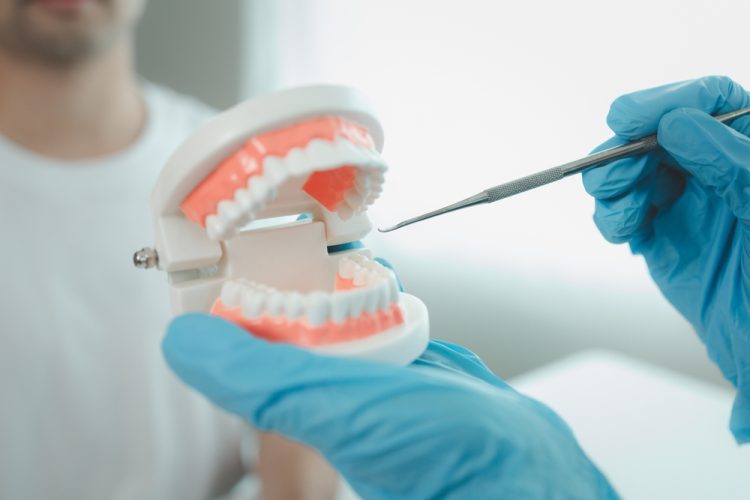
Overview of Tooth Replacement Options
Dentures
Dentures are often also known as false teeth. These are removable oral prosthetics which replace a number of missing teeth. They are used aesthetically, but also to improve your ability to eat and speak which can be greatly affected by the loss of teeth. Generally, they are made from materials such as acrylic, resin, metal, nylon and porcelain.
There are many different types of dentures which will suit different needs.
Full Dentures
This is the most conventional form of denture, and consists of an entire row of teeth to replace an entirely missing set. Full dentures are inserted once all remaining teeth have been removed and the surrounding tissues have healed. They consist of a gum-colored base lined with artificial teeth, and are designed to rest on the gums, supported by the jaw-bone or palette. A specialist type of glue called denture adhesive may be required to keep the prosthetic firmly in place.
Partial Dentures
If several or most of the teeth are missing, partial dentures may be a helpful option. Similarly to full dentures, they rely on the gums and jaw-bone for support, but are also hooked on to the remaining teeth. This provides additional stability and preserves remaining teeth.
Immediate Dentures
Sometimes the teeth or tooth will need to be extracted before full or partial dentures can be worn. Immediate dentures are temporary prosthetics which can be worn immediately after tooth extractions. Usually, the dentist will replace them with long-term dentures.
Implant Retained Dentures
With continued denture use, the underlying bone can change, meaning that dentures slowly lose their fit. Eventually, so much bone loss can occur that a well-fitting full denture can no longer be made. To rectify these issues, a small number of implants can be inserted into the jawbone, which the denture then is secured to.
Bridges
Dental bridges replace an individual missing tooth or a row of missing teeth. They are made up of artificial teeth which fill any gaps (these are called pontics), with crowns that fit over the existing natural teeth on either side of the space (called abutments). The number of pontics and abutments depends on the individual’s number of missing teeth. There are also different types of dental bridges which are utilized depending on your situation and desired outcome.
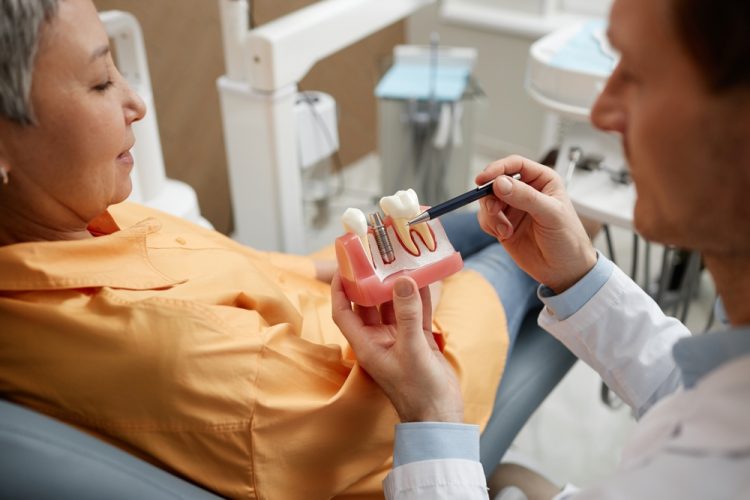
Traditional Dental Bridge
This is the most commonly used type of dental bridge. It consists of dental crowns which are bonded to your natural teeth (abutments) and pontics to fill the gaps in the teeth. These can be used when there are healthy natural teeth present on either side of the missing teeth.
Cantilever Dental Bridge
Similarly to a traditional bridge, pontics are used to fill gaps in the teeth. However, in a cantilever dental bridge, there is only a crown on one side rather than both. This means that the bridge is not as strong as traditional dental bridges, but can be used when there is only a healthy natural tooth on one side of the gap.
Maryland Dental Bridge
These bridges are also known as resin-bonded bridges and use metal wings instead of crowns to secure the pontic in place. The wings are bonded to the backs of the neighboring healthy teeth to secure the bridge. Maryland bridges are generally less strong than traditional or cantilever bridges and therefore are predominantly used to replace front teeth only. Like a traditional bridge, Maryland bridges can only be used when there are natural healthy teeth on each side of the gap.
Implant Supported Bridge
Implant supported bridges rely on dental implants instead of natural teeth for support. An implant is fitted either side of the gap, with a bridge of pontics to fill it in. This option is more durable and stable that other types of dental bridge.
Implants
A dental implant is a surgically inserted replacement tooth root with an artificial tooth. Missing tooth roots are replaced in a surgical procedure with small, threaded metal posts placed into the jawbone. Most dental implants are titanium or ceramic. Attached to the implant is an abutment which connects to the implanted post and extends above the gums. This provides a foundation for the new prosthetic tooth which can look, feel and last like a natural tooth.
Dental implants can be a viable option when there aren’t enough natural teeth to support dentures or bridges.
Comparing the Options
When deciding on the right tooth replacement option for you, it’s important to evaluate the some factors.
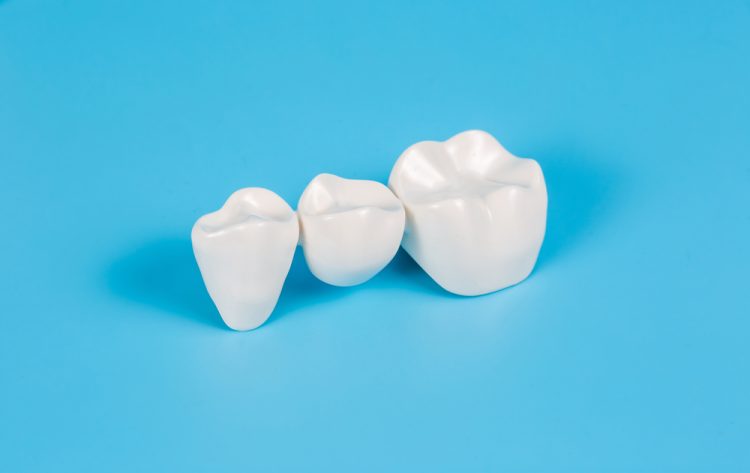
Cost
Dentures
The cost of dentures varies widely based on factors such as type, materials used, and geographic location. In the U.S. the national average cost for a full denture ranges from $450 for low-cost dentures up to $6,500 for a premium set. Partial dentures generally cost between $500 to $1,500 per arch.
Bridges
The cost of a dental bridge varies depending on the number of teeth needed to fill the gap, the materials used, the complexity of the placements, any additional treatments required and geographic location.
Each type of bridge will also be priced differently. Traditional or cantilever bridges typically cost $2,000 – $5,000 for one pontic and a crown for each abutment tooth.
Maryland bridges typically cost $1,500 – $2,500 for one pontic with the wings, attached to the abutment teeth.
An implant-supported bridge could cost $5,000 – $15,000 for a bridge with two dental implants spanning three or four teeth.
Implants
As with all tooth replacement options, there are multiple factors which influence the cost of dental implants. There are also additional costs that contribute to the overall price of the dental implants, such as the material and quality of the crown and abutment, any teeth and root extractions that are required before the implant, and pre/post-operative care.
For a single implant, the cost can range from anywhere between $1,500 to $6,000 per tooth. A full mouth of dental implants can cost anywhere from $46,000 to $80,000.
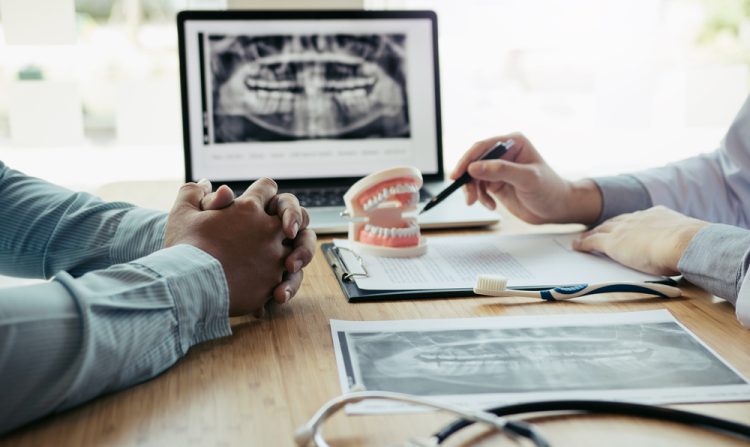
Longevity
Dentures
On average, dentures will last between seven and 10 years, at which point they will require replacement. In the meantime, dentures should be relined every year or two or as required, this is a refitting of the denture to the gum to ensure a comfortable, snug fit.
By taking proper care of the dentures, they will stay in better condition for longer. It is recommended to remove dentures at night, clean them using a denture brush and paste and then soak overnight in a denture solution. Brushing the gums, tongue, any remaining teeth and the inside of the mouth to maintain good oral hygiene will also extend the life of your dentures.
Bridges
Generally, dental bridges last between five and 10 years. This short lifespan is due to the inability of tooth-supported bridges to stimulate natural bone growth which leads to deterioration over time. Additionally, lack of proper care and maintenance can shorten this lifespan further.
Implants
If the prosthetic teeth are cared for well with proper oral hygiene and regular dental visits, implants can last a lifetime.

Functionality
Dentures
Due to the removable nature of dentures, they often do not sit as sturdily in the mouth as other options. For this reason, speaking and eating may not feel as natural.
Bridges
With extra stability than dentures, bridges can give you a much more functional tooth replacement.
Implants
Implants provide very good function for chewing and oral health. Over time, the titanium posts fuse with the jawbone, meaning that the implants won’t slip, decay or cause bone damage. Getting to this point is a long process however. It can take many months for bone to heal tightly around the implant.

Aesthetics
Dentures
Dentures can look very natural, but this depends on quality of the prosthetics and how well they are fitted. Some people also find that they lack the feel of real teeth.
Bridges
Bridges offer a very natural appearance if the wires are well hidden behind neighboring teeth. They are often made from porcelain or ceramic which allows for a very realistic look and feel.
Implants
Implants provide the most natural look and feel. Users report them to be almost identical to the appearance of natural healthy teeth.
Comfort
Dentures
May feel bulky or unstable, especially if they are not fitted properly or well maintained. They can sometimes interfere with comfortable eating and speaking.
Bridges
Offer greater stability and comfort compared to dentures.
Implants
Feel like natural, healthy teeth.
Maintenance

Dentures
Dentures require daily removal and cleaning and regular relining to ensure proper fit.
Bridges
Need careful brushing and flossing around the bridge and adjacent teeth.
Implants
Maintainable with regular brushing, flossing and dental check-ups.
Invasiveness of Implementation
Dentures
Non-invasive procedure to fit, and can be taken out and replaced by the individual wearing them. On occasion, some teeth may need to be removed to allow for a full denture.
Bridges
Minimal preparation of adjacent teeth required.
Implants
Requires a small surgical procedure to remove any existing teeth root and insert the implant. This is followed by a healing period of several months.
Impact on Bone and Gum Health
Dentures
Do not prevent bone loss and may even accelerate it over time due to lack of stimulation.
Bridges
Do not address bone loss as they rely on adjacent teeth for support.
Implants
Stimulate the jawbone, preventing bone loss and preserving facial structure.
Overview of Key Factors
| Feature | Dentures | Bridges | Implants |
|---|---|---|---|
| Definition | Removable prosthetic devices for replacing missing teeth. | Fixed dental restorations that bridge the gap between missing teeth. | Permanent fixtures placed in the jawbone to replace missing teeth. |
| Material | Typically made from acrylic, porcelain, or metal. | Usually made from porcelain or ceramic, often supported by crowns. | Titanium or zirconia post placed in the jawbone with a crown on top. |
| Removable or Fixed | Removable. | Fixed. | Fixed (permanent). |
| Placement | Sits on top of gums, sometimes with a clasp to hold in place. | Attached to adjacent teeth for support. | Surgically placed into the jawbone. |
| Procedure Time | Short procedure, can be done in a few visits. | Requires multiple appointments, typically a couple of weeks. | Requires surgery and several months for full healing and integration. |
| Longevity | 5 to 10 years with proper care. | 5 to 15 years, depending on the materials and care. | 10 to 30 years, potentially lifetime with proper care. |
| Cost | Generally the least expensive option. | More expensive than dentures but less than implants. | Typically the most expensive option. |
| Maintenance | Requires cleaning and adjustments, and may need to be relined over time. | Regular brushing and flossing of the bridge and supporting teeth. | Regular brushing and flossing; routine dental check-ups. |
| Comfort | May feel bulky or uncomfortable, especially initially. | More comfortable than dentures, but can still cause some discomfort. | Very natural and comfortable once fully integrated. |
| Effect on Speech | May cause slight difficulty in speech initially. | Minimal effect, similar to natural teeth. | No effect on speech once fully healed. |
| Effect on Eating | May affect chewing and taste, especially with lower dentures. | Allows for normal chewing and eating. | No impact on chewing or eating once healed. |
| Suitability | Ideal for those who have lost most or all of their teeth. | Best for individuals with healthy adjacent teeth to support the bridge. | Ideal for individuals with healthy gums and enough jawbone to support an implant. |
Advantages and Disadvantages of Each Option
Dentures
Advantages: Dentures are the quickest and easiest option! They are the most affordable and accessible choice of the three, and require a minimally invasive fitting procedure.
Disadvantages: There is a potential for discomfort, and they may require an adjustment period to recover natural eating and speaking. They also need a higher level of daily maintenance and to be replaced more frequently.
Best suited for: older adults, those with multiple missing teeth or budget constraints.
Bridges
Advantages: They are an improvement on dentures as they generally feel more stable and comfortable, and look and feel like natural teeth. They also require a minimally invasive fitting procedure.
Disadvantages: There must be neighboring teeth present for bridges to be secured. They also require a high level of oral hygiene to provide longevity.
Best suited for: Patients missing one tooth or a few adjacent teeth with healthy surrounding teeth.
Implants
Advantages: Implants are the closest thing to a brand-new tooth or set of teeth! They are the best replacement for natural teeth in durability, aesthetics and comfort. Unlike dentures or bridges, they also preserve the jawbone.
Disadvantages: They aren’t the most budget friendly option; requiring surgical implantation and a lengthy healing process.
Best suited for: Those seeking a long-term solution and are healthy enough for surgery.

Example Case Studies and Recommendations
Scenario 1: Older Adult with Multiple Missing Teeth
Problem: A 70-year-old individual has lost most of their teeth due to aging and periodontal disease.
Recommendation: Dentures
Dentures are affordable and effective for replacing multiple teeth. Complete dentures would restore function and aesthetics without the need for invasive surgery.
Scenario 2: Middle-Aged Person Missing One or Two Teeth
Problem: A 45-year-old has lost two teeth due to an accident.
Recommendation: Bridge or Implant
If adjacent teeth are healthy, a bridge may be suitable. However, if long-term durability is a priority, implants would be the best option.
Scenario 3: Younger Patient with a Single Missing Tooth
Problem: A 30-year-old has a single missing tooth due to decay.
Recommendation: Implant
A dental implant offers the best long-term solution, preserving jawbone health and providing a natural look and feel.
Scenario 4: Budget-Conscious Individual
Problem: A 50-year-old needs tooth replacement but has limited financial resources.
Recommendation: Dentures
Partial or complete dentures are the most cost-effective option, allowing the individual to restore functionality and appearance without a large upfront cost.
Addressing Common Concerns

Fear of Surgery
Many people hesitate to choose dental implants due to the surgical aspect. However, the procedure is very safe and routine, with a high success rate of 95% or more. Dentists often only use local anesthesia, and recovery is manageable with proper care.
Adapting to Dentures
Adjusting to dentures can take some time. Practicing speaking and eating with dentures can help, and regular follow-ups with your dentist ensure a comfortable fit.
Balancing Cost and Quality
While implants have a higher initial cost, their longevity and natural feel often make them a cost-effective choice over time. Bridges and dentures may have lower upfront costs but may require more frequent replacement.
How to Choose the Right Option
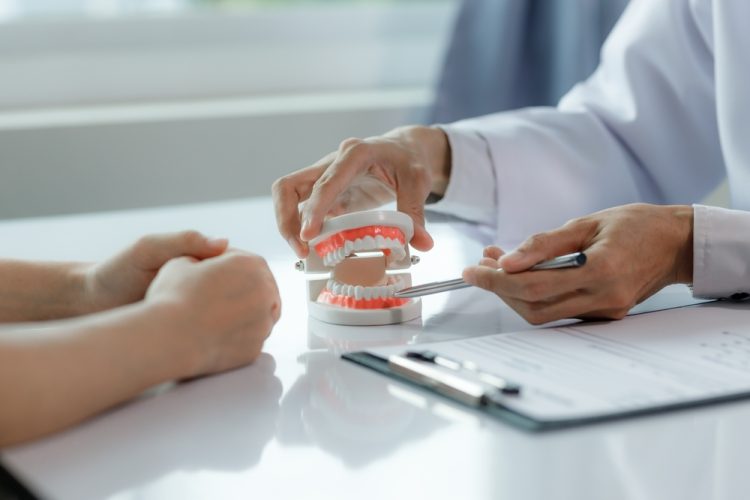
Making the right choice involves a combination of personal preferences, oral health needs, and budget considerations.
- Consult a Dentist: A dental professional can evaluate your oral health and recommend the best option based on your specific situation.
- Consider Long-Term Goals: While dentures are initially cheaper, implants may save you money in the long run due to their durability.
- Think About Comfort: If comfort and natural functionality are priorities, implants or bridges are better choices.
- Evaluate Your Budget: For those on a limited budget, dentures or partial dentures may be the best starting point.
Choosing the right tooth replacement option is a deeply personal decision that depends on oral health, budget, lifestyle, and long-term goals. Dentures, bridges, and implants each offer unique advantages and limitations, making it essential to carefully consider which solution aligns best with your needs.
- Dentures are a reliable, cost-effective option, especially for those with significant tooth loss or a limited budget. However, they may require frequent adjustments and maintenance over time.
- Bridges are a stable and natural-looking solution for replacing one or more missing teeth, but they depend on the health of adjacent teeth and do not address bone loss.
- Implants stand out as the most durable and functional option, offering unparalleled stability, aesthetics, and bone preservation. Although they require a higher initial investment and surgical placement, their long-term benefits often outweigh the costs.
Ultimately, the best way to determine the right option for you is to consult with a dental professional. Your dentist can assess your specific situation, discuss your priorities, and guide you toward the solution that fits your health and financial circumstances.
Investing in the right tooth replacement option is about more than restoring your smile—it’s about improving your confidence, oral function, and overall quality of life. No matter which path you choose, taking the first step toward a healthier, more complete smile is always worth it.