
Your credit score can have a significant impact on myriad financial issues in your everyday life. From whether you’ll be approved for a new credit card to whether you qualify for a new rental lease, if your score is less than ideal, you may find yourself struggling. Unless you have a good or excellent score, you will not only face difficulties qualifying for new financial products, but you may also end up paying higher rates when your applications are successful.
This can all contribute to greater financial pressure, but many people have difficulties taking positive steps to improve their credit score. This is where credit counseling can be helpful.
What Affects Your Credit Score?
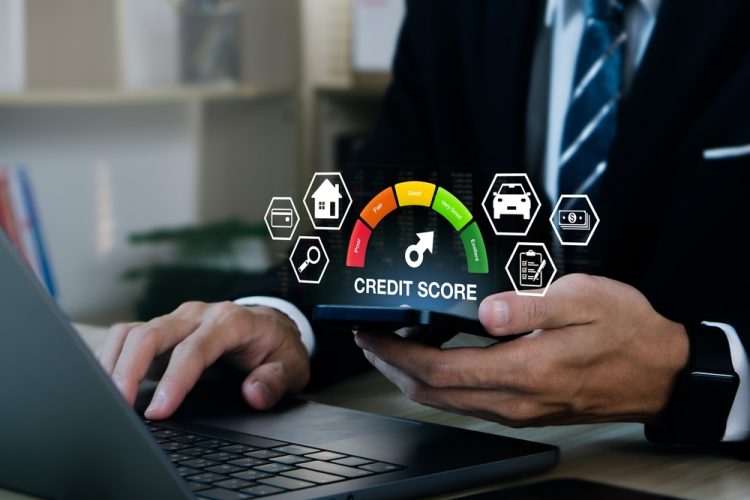
Your credit score is a number that is calculated to help potential lenders determine your risk profile. Your score will be used for approval decisions, financial applications and to determine the rate you’re charged for credit products.
This is the reason why you may be surprised that you don’t get the rate for that loan or credit card you saw on the promotional material. These advertised rates are typically reserved for those with excellent credit and if you have less than ideal credit, you’ll usually end up paying more.
The reason for this is that lenders want to be compensated for any potential extra work that will be involved in managing your account. Higher rates also allow the companies to offset the potential risk that you may default on the debt.
So, each time you apply for a new credit product, inquire about insurance or look at getting a new rental lease, your credit score will be a determining factor. However, many people don’t appreciate that you don’t have just one credit score. While lenders may tend to rely on one form of credit score, with FICO being the industry standard, some lenders use VantageScore or other scoring models.
There are three major credit bureaus and a variety of credit agencies that gather financial data which is used to calculate credit scores. While the credit scoring models can differ, each score is calculated according to a variety of factors.
Common Reasons for Low Credit Scores
| Reason | Percentage Contribution |
|---|---|
| Late Payments | 35% |
| High Credit Utilization | 30% |
| Collections | 15% |
| Bankruptcy | 10% |
| Errors on Credit Report | 10% |
Your Credit History
This is the factor that tends to hold the most weight in every credit scoring model, as it is a reflection of how you’ve handled your financial responsibilities in the recent past. Your credit history will show potential lenders whether you’ve had late or missed payments in the past, along with any bankruptcies or collections. This provides an indication of whether you’re likely to repay any credit extended to you or if the lender is likely to have issues collecting the debt.
The Length of Your Credit History
This follows on from the previous point, but lenders also like to see that you can handle financial responsibility in the medium to long term. Although note is taken of your oldest account, the length of your credit history is calculated as an average. So, if you open a new credit account, it will immediately reduce your credit history length average.
For example, if you have a credit card that has been open for 10 years, your credit history length is 10 years. But, if you then open up a new account, the 10 years is divided over two products to give an average of five years.
Credit Utilization
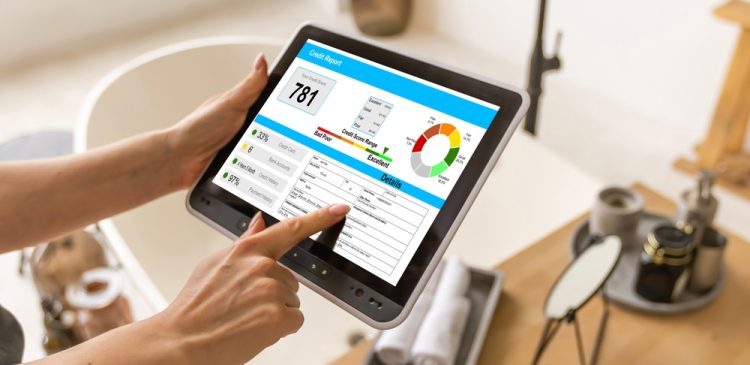
Your credit utilization is simply a ratio of the amount of debt in reference to your total credit line. So, if you have four credit cards with a total credit limit of $25,000 and you’re carrying a combined balance of $10,000, your credit utilization is 40%.
If you have a high credit utilization, it can indicate to potential lenders that you’re struggling to manage your current debt obligations, which can reduce the possibilities of further extending your credit.
Ideally, you should aim to keep your credit utilization at 30% or less for the best credit store.
What Can Cause a Poor Credit Score?
There are a number of issues that can cause your credit score to suffer. Something as simple as making frequent applications can cause your score to drop. The reason for this is that each time you apply for a credit product, the lender will initiate a credit inquiry to determine your risk profile. Each “hard” inquiry is logged on your credit report. So, if you have multiple inquiries frequently appearing on your credit report, it can come across as being a little desperate to get more credit.
However, one of the most common reasons for bad credit is late or missed payments. Whether this is through financial difficulty or being disorganized about managing your accounts, those late or missed payments tend to be a red flag for potential lenders.
The Role of a Credit Counsellor
Regardless of the reason, if you find that you have fair or poor credit, you’re not alone. According to Experian, 28% of the U.S population have less than good credit. Fortunately, you don’t have to be stuck with a less than ideal credit score.
Although it is possible to work on your credit score alone, it can be a little daunting. Improving your credit score is not a quick fix project and it will require an action plan to help you to rebuild your credit. Many people feel overwhelmed about where and how to start, and credit counseling can help you on this journey.
Credit counselors are trained and certified in consumer credit, debt and money management, and budgeting. The counselor can discuss your specific financial circumstances and help you to create a personalized plan.
Credit counseling is typically available through a non profit organization, and they are not employed by your creditors, which means that they aim to help you to improve your financial situation and meet your money obligations.

When you meet or speak with a counselor, they can advise you on strategies to manage your money and debt, help you to develop a realistic budget and provide you with educational materials to improve your financial knowledge and skill set.
If you are having difficulties with your debts, the counselor can also work with you to organize a debt management plan which will help you to pay down your debts. A debt management plan could include all of your debts to lower your monthly payments and ease your financial pressure.
Depending on your circumstances and the specific credit counseling service, your counselor may be able to assist you in arranging a debt consolidation loan. This involves wrapping up all of your current debt into one new loan. This means that you will only make one payment each month rather than trying to manage multiple accounts. It can also assist you in reducing the overall interest rate you’ll pay, since you can put all your credit card debt into the loan and avoid the hefty credit card interest charges.
Debt consolidation loans have a fixed payment schedule, so you’ll know how much you’ll be paying each month and you’ll have a firm end date for the loan. While this can be an extreme option, if you are having difficulties managing your debts, it can provide a manageable solution.
How a Credit Counselor Can Help You Improve Your Credit Score
If you’re not struggling with debt and simply want to improve your credit score, a credit counselor could still help you. There are a number of things that you can do to improve your credit score and your counselor can walk you through the steps, providing you with an action plan that will boost your score over time.
Key Strategies to Avoid Missed Payments
If your credit report shows several missed payments, it is likely to be a leading cause of your less than ideal credit score. If the reason for the missed payments is a lack of funds, the counselor can help you to develop a budget that will include money to meet your day to day needs and financial obligations.
Many people find creating a budget to be overwhelming, but the credit counselor will help you to go through all of your financial paperwork to work out where your money goes each month and how you can limit your spending. This may involve making some sacrifices, such as limiting how much you spend on leisure activities, but it will create a buffer, so you can have the funds to pay your bills on time each month.
In many cases, this may be something as simple as setting up auto pay on your credit card bills. This will automatically take the minimum amount due from your bank account on a specific day of the month. You can then make additional payments manually if you have excess funds at the end of the month.

Pay Down Debt
Even if you are not struggling with your funds, if you’re carrying excessive debt, you will have a high credit utilization ratio, which can hurt your credit score and your long term financial health. A credit counselor can help you to develop a plan to pay down your debt and reduce your credit utilization ratio.
The counselor can walk you through various debt repayment strategies such as the snowball method or avalanche technique which can help you to see the progress you’re making and remain motivated.
Paying down debt can be a medium to long term task, but as you clear the debt, you should not only see a boost in your credit score, but you are likely to find that you have extra cash since you won’t be paying excessive interest.
Guidance to Build Credit
If you have a limited credit report and you need to build or rebuild your credit, the counselor can provide guidance on how to accomplish this. This advice could range from budgeting and payment assistance to helping you choose a credit building or secured credit card that will allow you to make payments each month that will be reported to the credit bureaus.
If you’re new to personal finance and have been surprised that you don’t have particularly good credit, a credit counselor can be a great resource for free educational materials, and even workshops that will help you to build your knowledge base.
Benefits of Credit Counseling vs. Other Methods
| Aspect | Credit Counseling | DIY Credit Repair | Debt Settlement | Bankruptcy |
|---|---|---|---|---|
| Professional Guidance | Provided by certified counselors | None – self-research required | Limited, often from for-profit agencies | Legal advisors assist |
| Cost | Low or free (non-profit agencies) | Free or low-cost | High fees and potential tax liabilities | High legal and filing fees |
| Impact on Credit Score | Positive long-term effect | Depends on individual efforts | Can hurt credit score temporarily | Significant negative impact |
| Negotiation with Creditors | Often included, improving repayment terms | DIY negotiations required | May negotiate a lump-sum settlement | Not applicable |
| Education and Tools | Teaches financial literacy and debt management skills | Limited to self-research | None | None |
| Risk of Scams | Low (when working with accredited agencies) | None | High risk of predatory practices | Low |
| Timeframe for Results | Gradual, depending on participation and plan adherence | Varies widely | Immediate debt reduction but credit damage | Immediate relief but long-term damage |
How to Find Credit Counseling
Many credit counselors offer in person services, but you can also access online meetings or telephone consultations. In many cases, you’re likely to find credit counselors in your local area, but you can get a list of approved counselors through Financial Counseling Association of America, National Foundation for Credit Counseling or even the U.S Department of Justice. Once you have a list of organizations, you’ll need to find a counselor that is the right fit for you. While it may be tempting to just pick the first organization you find, you need to ensure that the counselor is reputable and will be able to help you with your specific circumstances.
Fortunately, reputable organizations are usually willing to provide free information about services without you needing to provide any personal details. If an organization wants detailed information before even determining if you want to work with them, it is a red flag.
There are also some questions you can ask that can help you to find the best service provider for you.
What Services are Offered?
Ideally, the credit counseling organization will offer a range of services. While you may only be interested in boosting your credit score, an organization that can also offer budget counseling, debt management classes and other resources could be helpful for you. Remember that improving your credit score can require taking a number of different steps and you’ll want to work with a counselor that is equipped to help you at each stage of your journey.
You should avoid organizations that immediately recommend debt consolidation or debt management plans without spending significant amounts of time discussing your financial situation and requirements.
How is Credit Counseling Offered?
Many service providers offer in person counseling, but you may prefer online or phone assistance. The initial session will typically last an hour or more, and you will typically be offered follow up sessions, so you need to be comfortable that you will be able to interact in the way that best suits your circumstances.

Are Free Educational Materials Available?
Credit counseling organizations tend to be non-profits, but they will often offer educational materials and resources for free. While there may be some costs involved for more complex action plans and ongoing sessions, you should avoid organizations that charge for basic information.
Are There Set Up or Monthly Fees?
This follows on from the previous point, but if you move beyond the initial consultation, you need to know in writing what you can expect to pay for setting up the counseling service and any monthly fees.
Can I Make a Contribution Instead?
If you would struggle to afford to pay fees for credit counseling, some organizations allow you to make a contribution that you can manage to access their services.

Will I Need to Sign a Formal Contract?
Some credit counselors require clients to agree to a formal written agreement, but be sure that you don’t sign anything without fully reading it first. Any verbal promises made to you should be included in the document and you should be able to question anything you don’t understand. If an organization is unwilling to answer your queries or pressures you to sign a contract, walk away.
How is the Counselor Qualified?
It is always a good idea to find out about the counselor’s qualifications and whether they or the organization is certified or accredited. It is also a good idea to check if the counselor is paid more if you sign up for certain services. In this scenario, it is a red flag, as the counselor may be incentivised to recommend products and services that are not in your best interests.
Improving your credit score can be a journey and you can’t rely on quick fixes. You’ll need to develop and follow a plan of action, and a qualified credit counselor can help with this. While it is possible to go it alone and follow basic credit building advice, having a trained and qualified professional can help you to take the right steps in the right order to make the journey to boost your score as quick and efficient as possible.

Just like you can exercise on your own or join a gym, working with a personal trainer can help you to reach your fitness goals more quickly and will produce sustainable results. You can work with the counselor to make the right choices and stay motivated until you reach your goal of a good or excellent credit score.
Whether you have plans to make a significant purchase such as a home in the coming years or you simply want a better credit score to open some financial doors to you, it is certainly worth considering credit counseling services. Your credit score is an important part of your overall financial health.