
Whether you’re interested in opening a bank account, searching for insurance or looking to borrow money, your credit score will be a determining factor on whether companies work with you or charge you a premium. Essentially, your credit score is a way for potential lenders to determine your financial responsibility. While this three digit number may seem insignificant, it can have a massive impact on a variety of things in your day to day life.
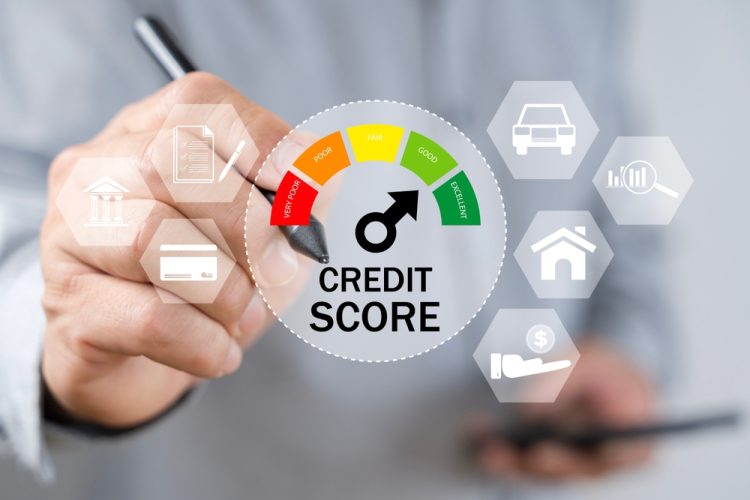
Your Credit Score
This is where the topic can start to get a little confusing as we don’t just have one credit score. There are different credit bureaus and agencies, and each one calculates a credit score for you using different credit score models. The main credit bureaus are Experian, Equifax and TransUnion, but there are also independent credit agencies.
The credit bureaus and agencies gather data about your financial transactions and use this information to calculate a score of between 300 and 850, depending on the bureau.
Typically, lenders use just one credit score when you apply for a new product or inquire about a financial service. Which one the potential lender uses can vary, but the most frequently used credit score is FICO or Fair Isaac Corporation. This is considered to be the industry standard, so many people assume that when you discuss credit scores, you are referring to your FICO score, but VantageScore and other credit scores also carry weight in your financial life.
What Makes Up a Credit Score?
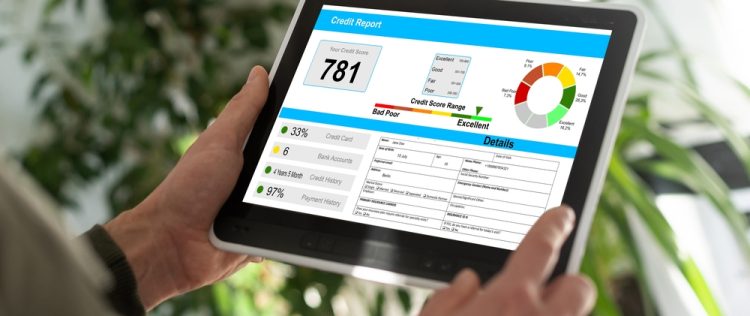
Creditors and financial institutions report the financial data from their clients to one or more of the credit bureaus and the bureaus in turn use this information to calculate credit scores. So, when you make a payment on your auto loan or pay this month’s credit card bill, the payment amount, whether the payment was made on time and other details are reported.
While the credit scoring models do differ, there are several factors that are used to determine your credit score.
Payment History
For all three credit bureaus, your payment history is a major factor to calculate your credit score. Essentially, your payment history is your track record of whether you meet your financial obligations or if you tend to make payments late. Potential lenders need to have confidence that if you are approved for credit, you will pay back what you owe.
Your payment history provides insight into how well you’ve repaid your credit in the past. It can include reporting for a variety of credit accounts including auto loans, credit cards, student loans, mortgages, installment loans and department store accounts.
The payment history will also show details of missed or late payments, any collection information or bankruptcies. Typically the credit scoring models examine how much you owe, if you’ve had late payments and how often and if you’ve missed payments recently.
This holds a lot of weight for calculating your credit score, which is why younger adults tend to struggle to get approved for credit. It is a bit of a catch-22, as they can’t borrow money, as they don’t have a history of paying back debt.
Credit Utilization
Those new to credit and finance often find this term a little complicated, but it simply refers to how much of your credit you’re using. It is a ratio of the amount of debt against the available credit.
Your credit utilization is calculated across all of your credit accounts, which is where some of the confusion comes in. You may have a credit card that you’re not using, so you assume your credit utilization is good, but you’ve not considered your mortgage, auto loan and other credit cards.
For example, if you have several credit cards with a total credit limit of $15,000 and you’re carrying a combined balance of $4,500, your credit utilization is 30%. Ideally, you will keep your credit utilization at 30% or lower, as this shows potential lenders that you can responsibly use credit and regularly make payments.
This means that if you have “maxed out” accounts, it is likely you have a higher credit utilization ratio, which will impact your credit scores.
The Types of Credit

This seems a little random, but whether you have different types of credit can also influence your credit score. The credit score calculation models tend to consider if you have different types of credit, such as credit cards, auto loans, student loans and home loans.
While it may seem as though the type of credit shouldn’t matter as long as you make on time payments, potential creditors do like to see that you can handle different types of credit. So, if you have a credit card and a loan, it is likely that you’ll have a better credit score than if you had two credit cards. The reason for this is that you are showing potential lenders, you can handle both revolving credit and installment credit.
The Length of Your Credit History
The credit bureaus look at how many new credit accounts recently opened, but they also check the overall length of your credit history. This is another reason why younger adults can struggle with lower credit scores.
The calculation of your credit history length is done as an average. This means that if you open up a new credit card account, your credit history length will immediately decrease.
For example, if you’ve had one credit card for ten years and another for 8 years, your credit history length is 9 years. However, if you open up a new credit card account, that 18 year total will be spread across three accounts, dropping your average down to 6 years.
Of course, the length of the longest running account is still important, but opening up new accounts can have a detrimental effect on your credit score, until you have run the account for some time.
Inquiries

If you’ve applied for any new credit account, your potential creditor will need to check your credit report before they make an approval decision. This check is called an inquiry and it can be a hard or soft inquiry.
Soft inquiries don’t impact your credit score as they simply provide a basic overview of your financial behavior. Hard inquiries are more detailed and these are recorded on your credit file.
If you have several hard inquiries on your credit report, it is a red flag for potential lenders as it indicates that you are very keen to get more credit. For this reason, it is often reflected in your credit score.
What is a Good Credit Score?
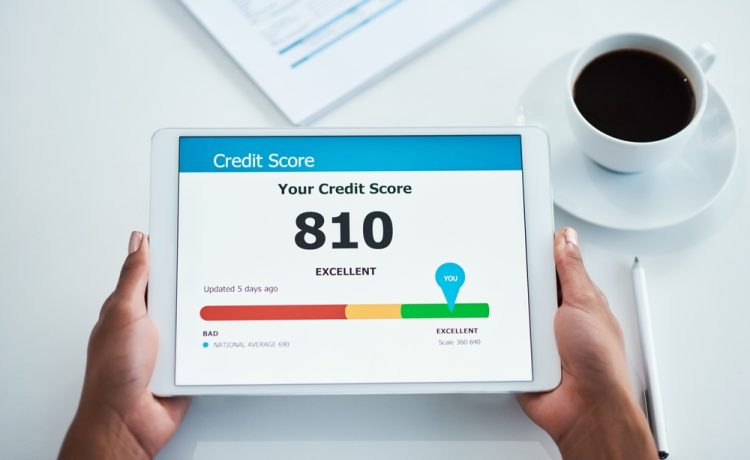
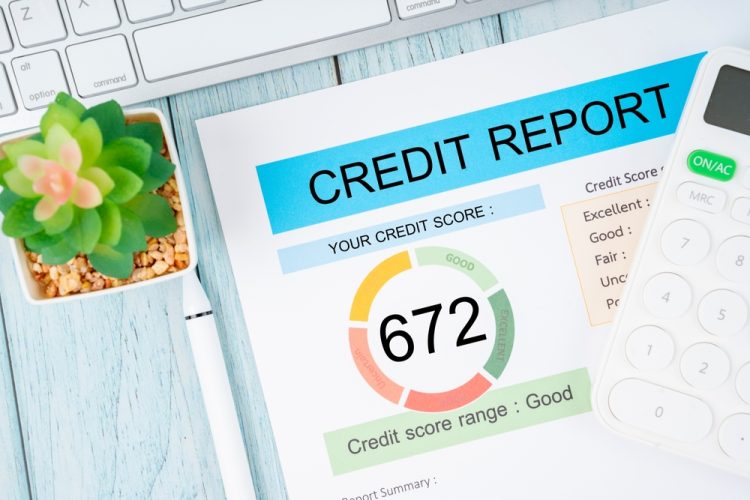
Credit scores are typically categorized as bad, fair, good, or excellent, and there is usually a number range for each category. For example, FICO has several scoring models with a range of 300 to 850. If your score is less than 669, you’ll typically have a poor or fair score, but 670 to 730 is usually classified as good, and higher than 739 is excellent.
On the other hand, VantageScore has two scoring models with a range of 501 to 990, and two others with a range of 300 to 850. The scoring for good credit varies, but it tends to be 661 to 780.
Why Your Credit Score Matters
Many people feel as if they have little control over their credit score and so they wonder why it actually matters. However, your credit score can have a massive impact on your day to day life. Even if you’re not particularly interested in getting a new credit card or taking out a home loan, having a poor credit score can limit your financial options. You may struggle to open a new bank account or pay for your insurance via installments.
On the other hand, having a good credit score can have a positive impact on your everyday life. In addition to increasing the chances that you’ll be approved when you apply for financial products, potential lenders use your credit score to calculate the interest rate you’ll be charged. Lenders calculate rates based on your risk profile. If the lender feels confident that you will repay a loan or credit card with no issues, you’ll be rewarded with a lower rate or the advertised rate. On the other hand, if you have a poor or fair credit rating, the lender will have less confidence and this is reflected in a higher rate. This is the reason why you may be offered a different rate than you saw on promotional materials for the financial product.
While the difference in rate may only be one or two percent, this can have a massive financial impact over the lifetime of the debt.
For example, if you take out a mortgage of $250,000 on a 30 year fixed rate deal, if you have a FICO score of 670, you could pay up to $161 less per month compared to if you had a 620 FICO score. While this is a significant saving on a monthly basis, over the entire lifespan of your mortgage, it would add up to over $57,000 in interest charges.
Your credit score can also have an impact on non lending financial issues in your everyday life. Even if you’re not ready to purchase a home, your credit score will influence whether you qualify for an apartment rental. Your potential landlord is likely to run your credit to determine if you’re financially responsible and likely to pay your rent on time. If you have a good or excellent score, you’re likely to beat out other potential tenants who don’t have as high a credit score.
How to Check Your Credit Score
Now you’re aware of the importance of your credit score, you may be wondering about your actual score. Fortunately, this is not secret information and it is quite simple to find out your score. You can reach out to the major credit bureaus. Many bureaus and agencies will allow you to receive a free copy of your credit report, which includes your current credit score. However, there are also a number of other service providers that can help you to access your score. There are credit score websites, but it may also be a feature with your bank account package. Many banks and budgeting apps provide up to date access to your credit score, which can be handy, as you can monitor how your score changes according to your financial decisions.
Remember that when you apply for a new financial product, take out a new credit account or make payments on your accounts, it can cause a change in your credit score. Creditors and financial institutions typically report financial data to the credit bureaus once a month, but the specific date can vary. This means that your credit score can change over the course of a month, particularly if you’re making positive changes or unfortunately, if you’re having financial difficulties. So, if you’re planning a major financial change, it is a good idea to be familiar with your score.
How to Improve Your Credit Score
If you don’t have much of a credit history, you may find that your score is not great, but there are some simple steps you can take to give your score a boost. Of course, moving your score into the good or excellent range is not an overnight task, but with time and some proactive action, you can see significant changes.
Work on a Positive Payment History
If you have a limited credit history or you’ve had some issues in the past, you can boost your credit score by working on building a positive payment history. If you currently have credit accounts, you’ll need to focus on ensuring that you make your payments on time every month. If you’re not particularly good at remembering your billing and due dates, why not sign up for auto payment? You can then feel confident that the minimum amount due will come out of your bank account automatically. This will help you to avoid late or missed payments and you can always manually make an additional payment if you find that you have some extra month at the end of the month.
If you don’t currently have any credit accounts or financial products that are reported to the credit bureaus, you may want to think about getting your first credit card. While you may have some difficulty getting approval for a card with fantastic rewards and benefits, it is fairly easy to qualify for a secured credit card.
As the name suggests, this card is secured on a deposit that you pay to the credit card issuer. In many cases, the deposit has a direct influence on the credit limit. So, if you provide a $200 deposit, you’ll have a $200 credit limit. This arrangement works well for the credit card issuer, as if you default on the account, they can use the deposit to pay the outstanding amount. You may wonder about the benefit of this arrangement, since you can just use the money you have to make purchases. But, when you make purchases using your secured credit card and make your monthly payments on time, this activity will be reported to the credit bureaus to build your credit report.
Of course, you will need to use your new credit card responsibly to avoid falling into issues with debt. It is a good idea to only use the card for small purchases and clear the bill in full every month. This will help you to build your credit and avoid accumulating debt.
There are also some traditional credit cards that are designed to help build credit. In either case, you should check whether the account history is reported to all three credit bureaus before you apply.
Avoid Maxed Out Accounts

As we covered earlier, your credit utilization ratio is an important factor for calculating credit scores, so it is important to be aware of your ratio. If you have credit cards with good limits, it can be tempting to use them and think about repayments later. However, this is not only detrimental to your financial health in the long term, it is also likely to impact your credit score.
Try to keep your credit utilization at 30% or less, which means that you should avoid maxing out any of your credit accounts.
Minimize Applications
While you can see some great offers and deals for credit products, don’t be tempted to reply to every mailer or offer you see. Frequent applications, even if you’re successful, can be damaging to your credit score. Remember that when you submit an application, the creditor will initiate a credit inquiry, which may be logged on your credit file.
Additionally, the credit scoring model may include your credit history length, so each new credit account will reduce the overall average. So, unless you really have a need for a new credit account, avoid applying.
While it may seem insignificant, the three numbers that make up your credit score can have a significant impact on your day to day life. However, with some basic knowledge and good financial habits, you can ensure that it is a positive rather than a detrimental effect.